


26 October, 2026
8 trends in trade show booths design in 2027

What trends will shape trade show booth design in 2027?
At INSCA, having built over 4,000 m² of custom trade show booths this year for our clients at Cersaie, the International Tiles and Bathroom Furnishings Fair, we have observed a clear evolution.
Exhibition spaces are moving away from the booth seen simply as a product display and towards a more sensory, sophisticated architecture linked to each brand’s identity.
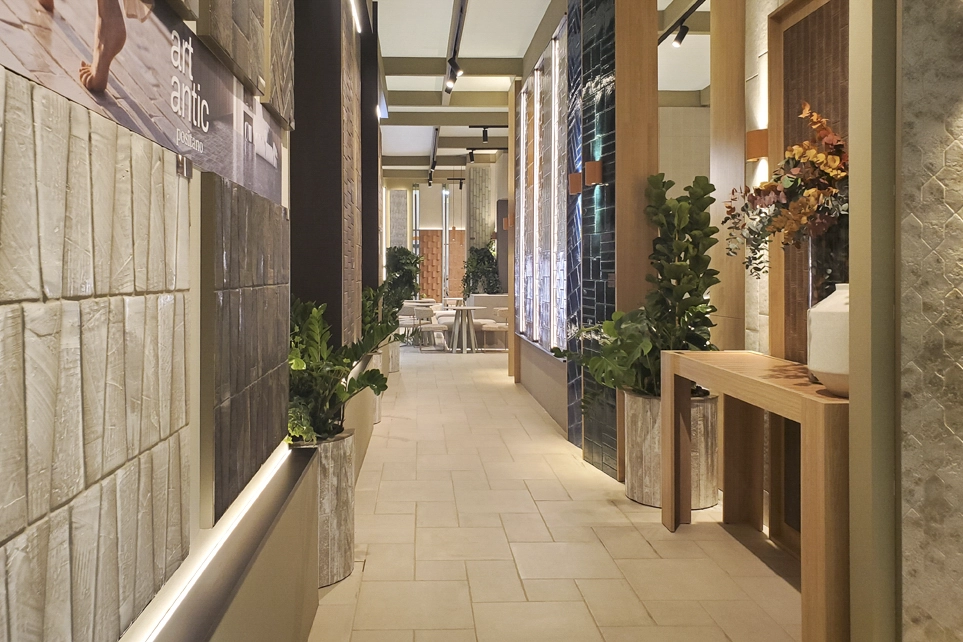
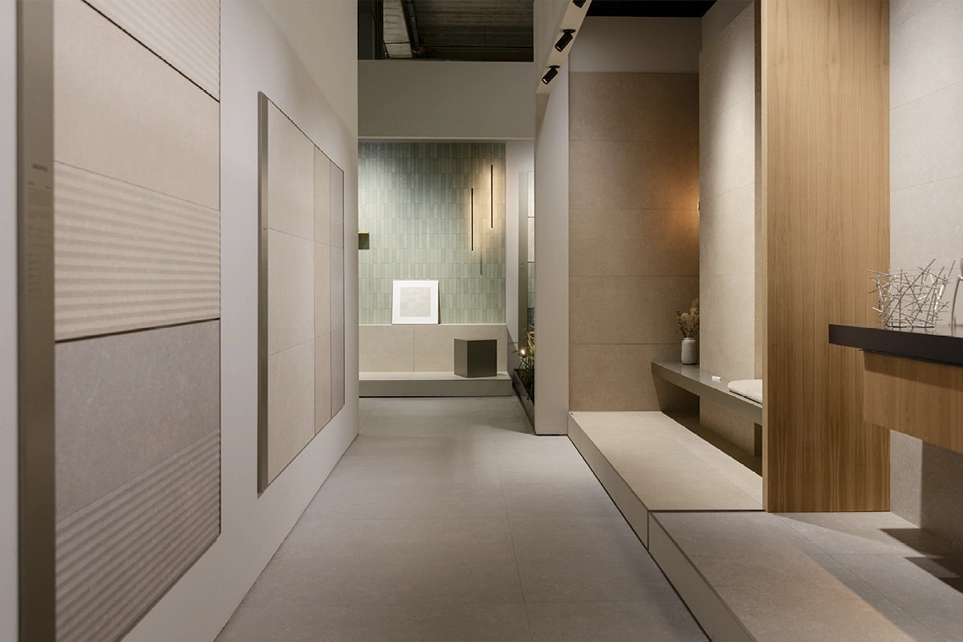
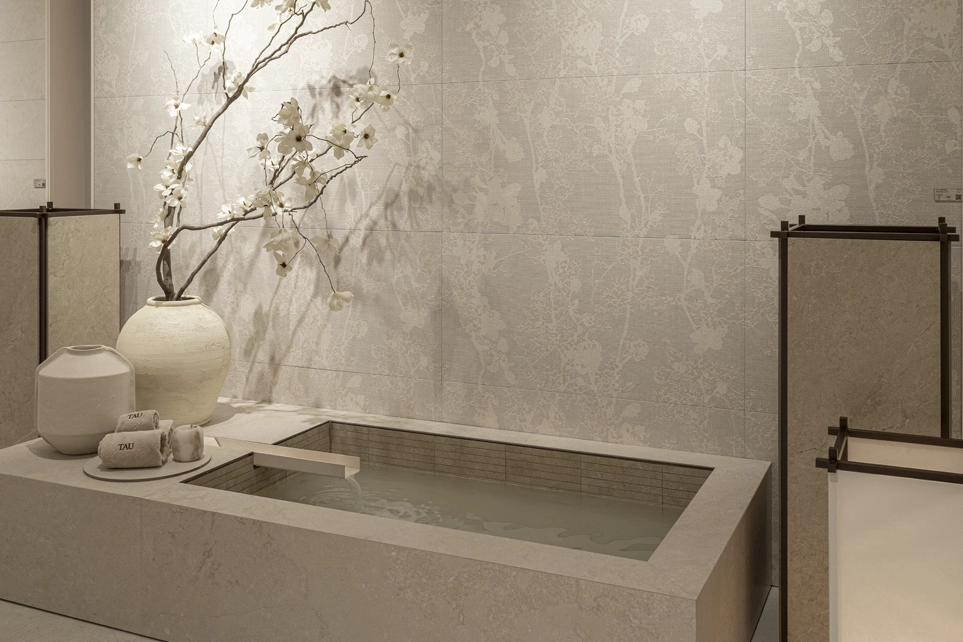
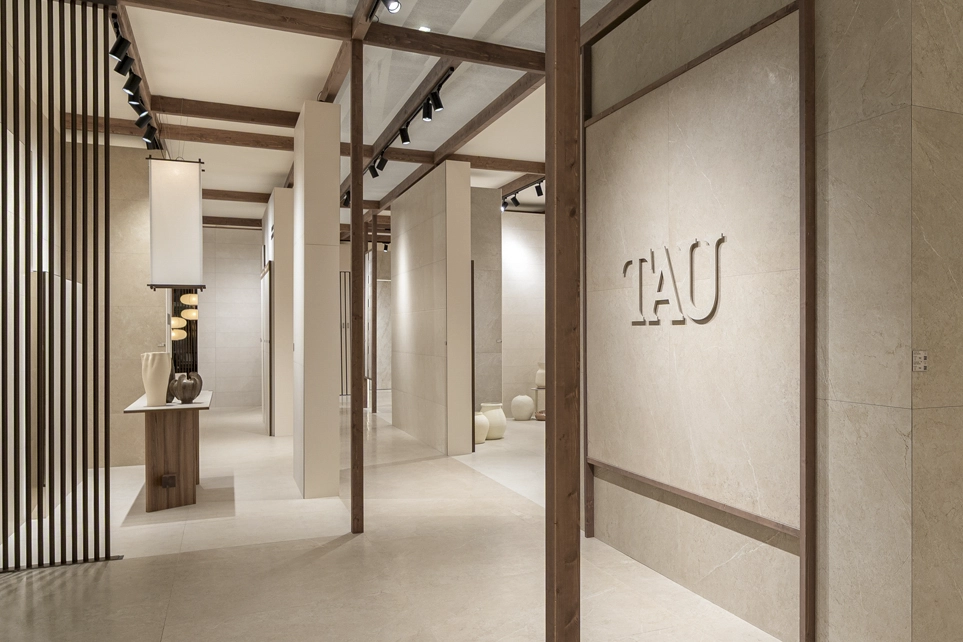
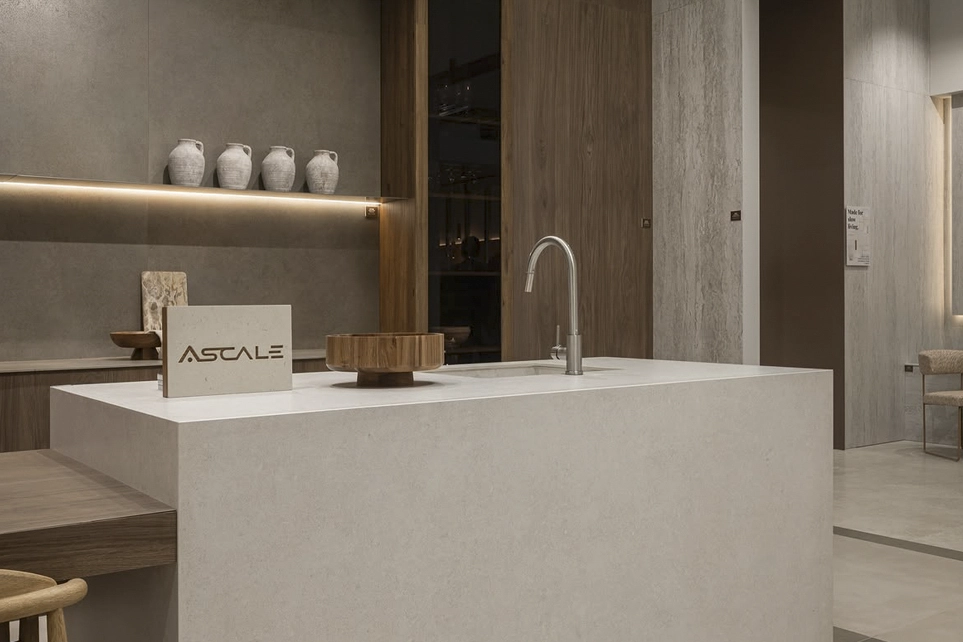
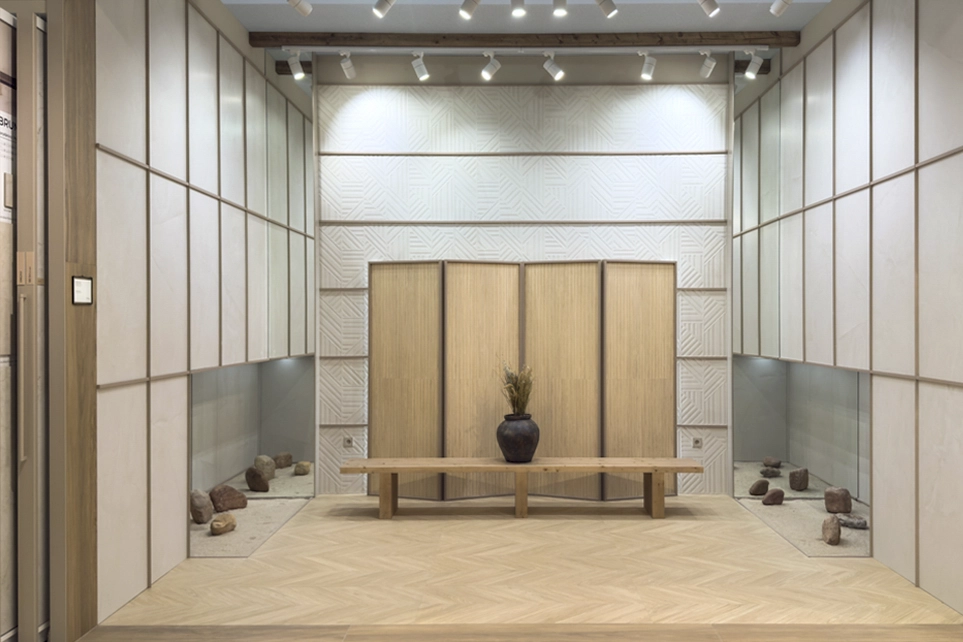
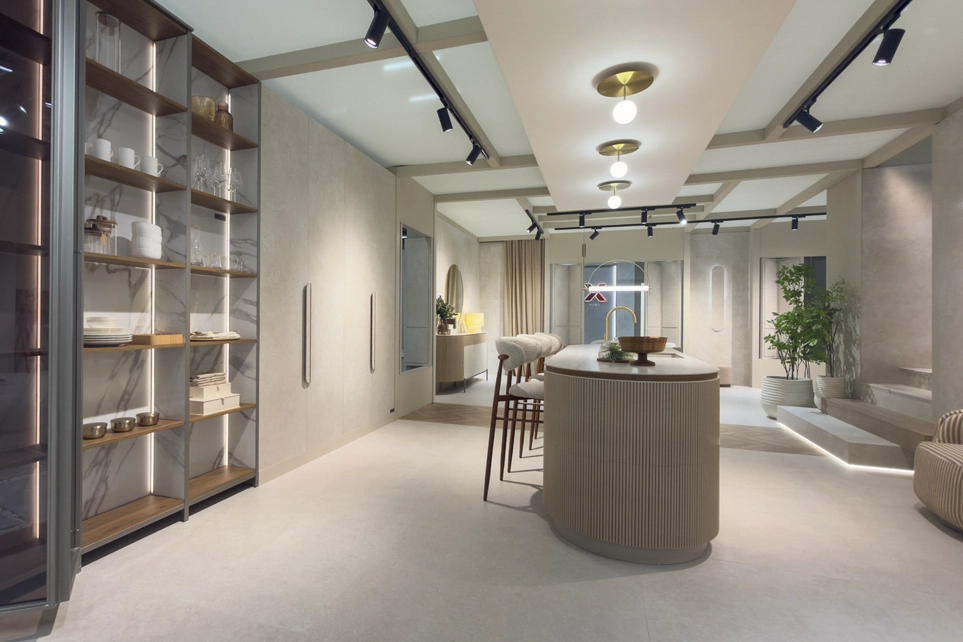
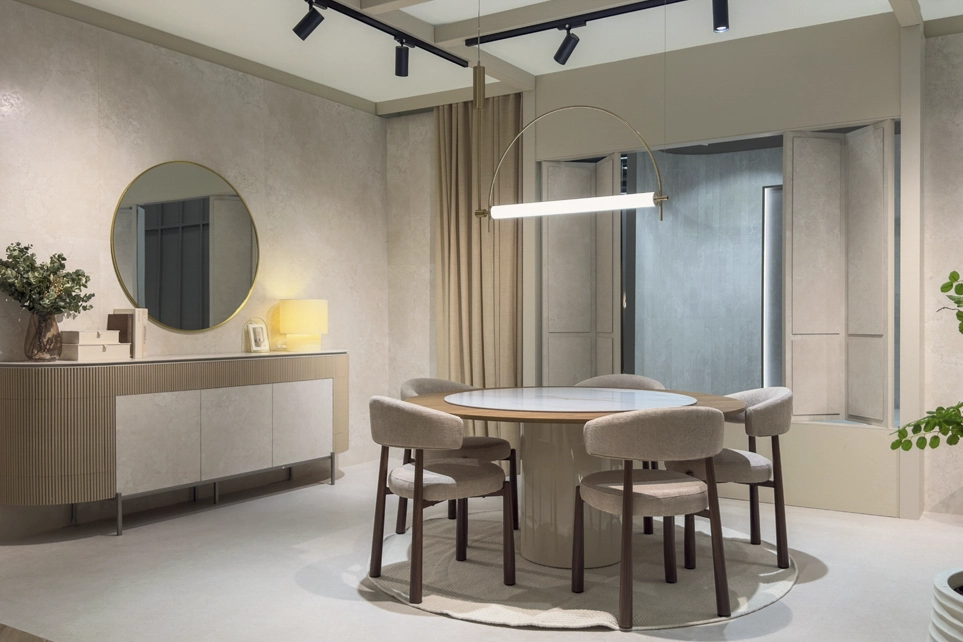
Japandi style, dark woods, earthy tones, focused lighting, the combination of materials, the integration of nature and spaces conceived as genuine interior design projects are some of the trends that will define designer exhibition stands in 2027.
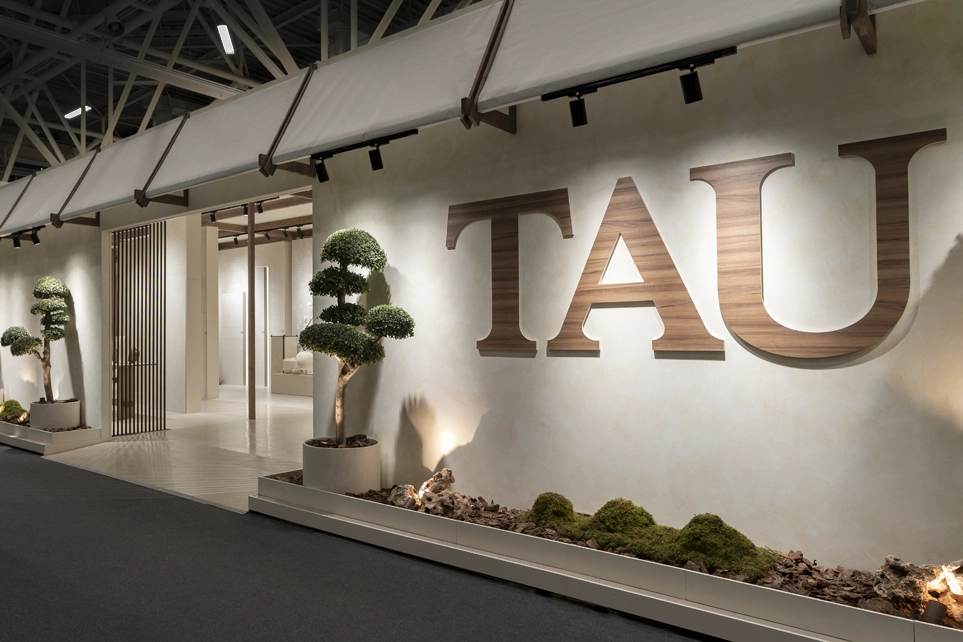
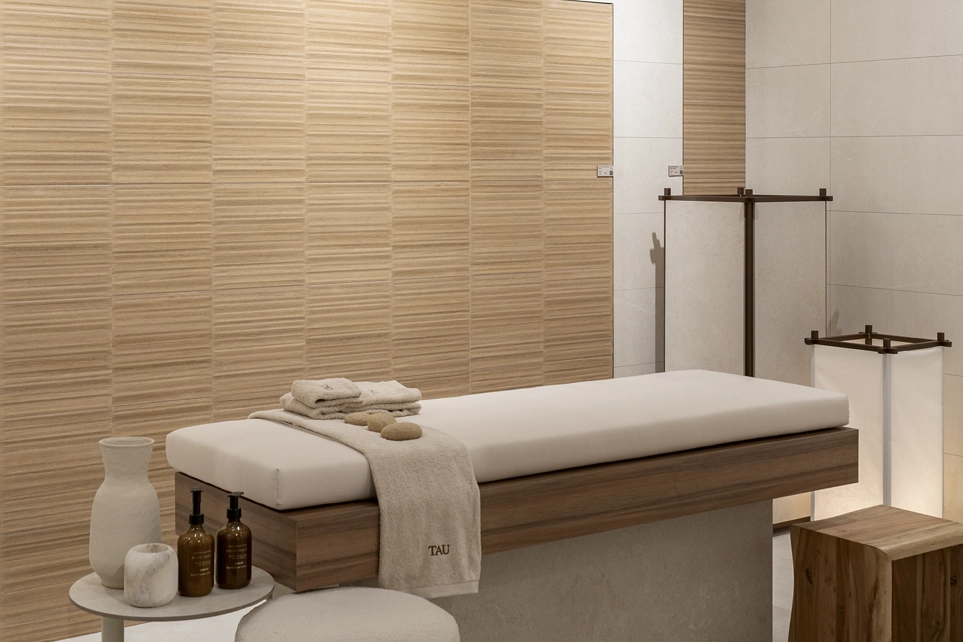
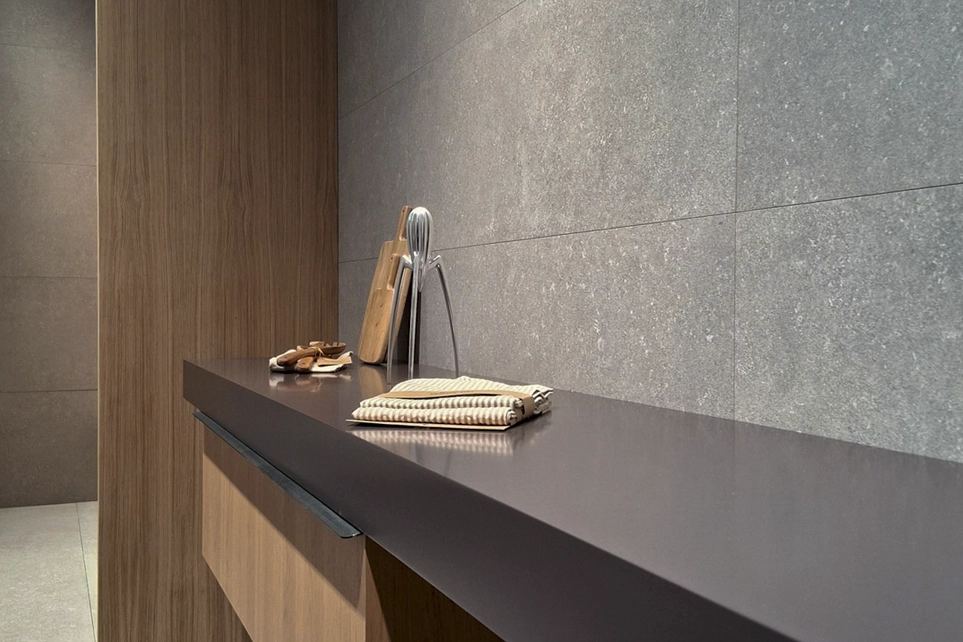
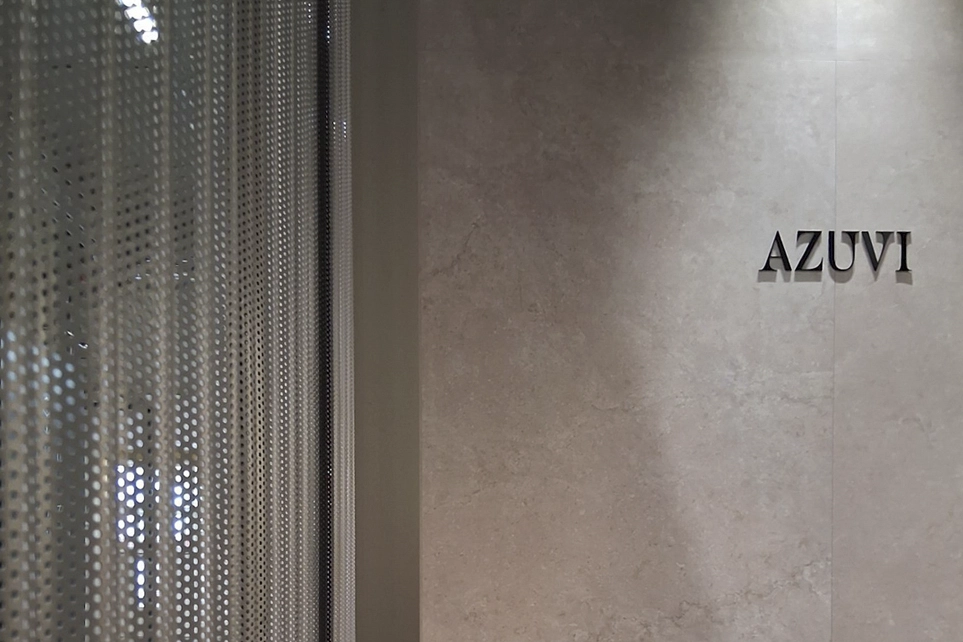
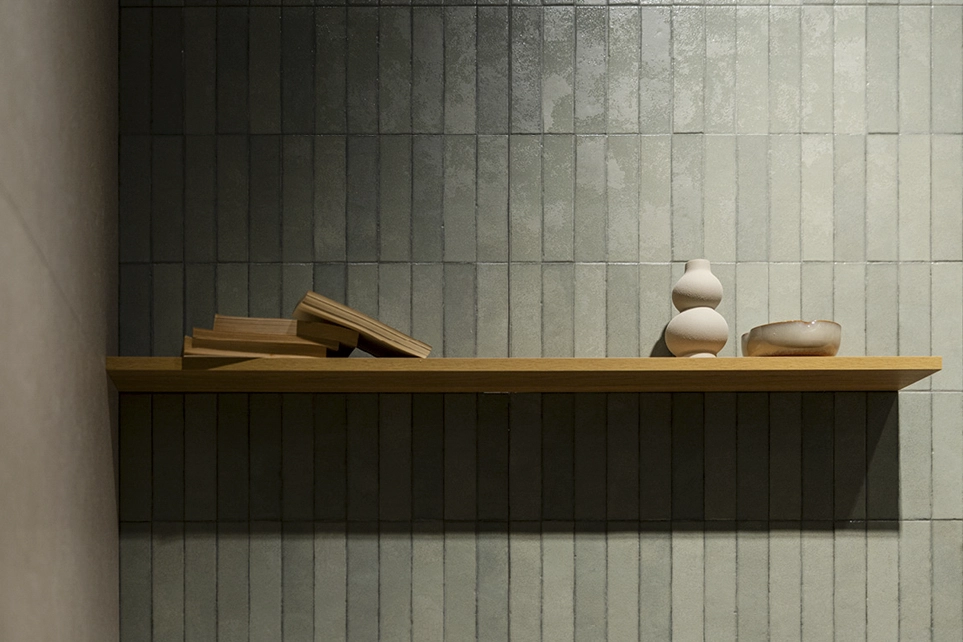
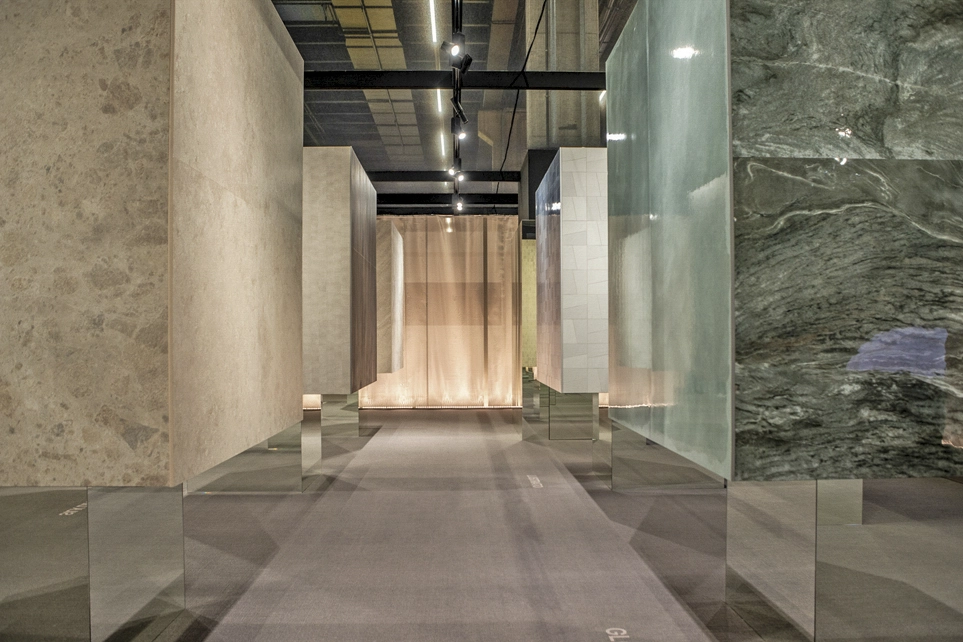
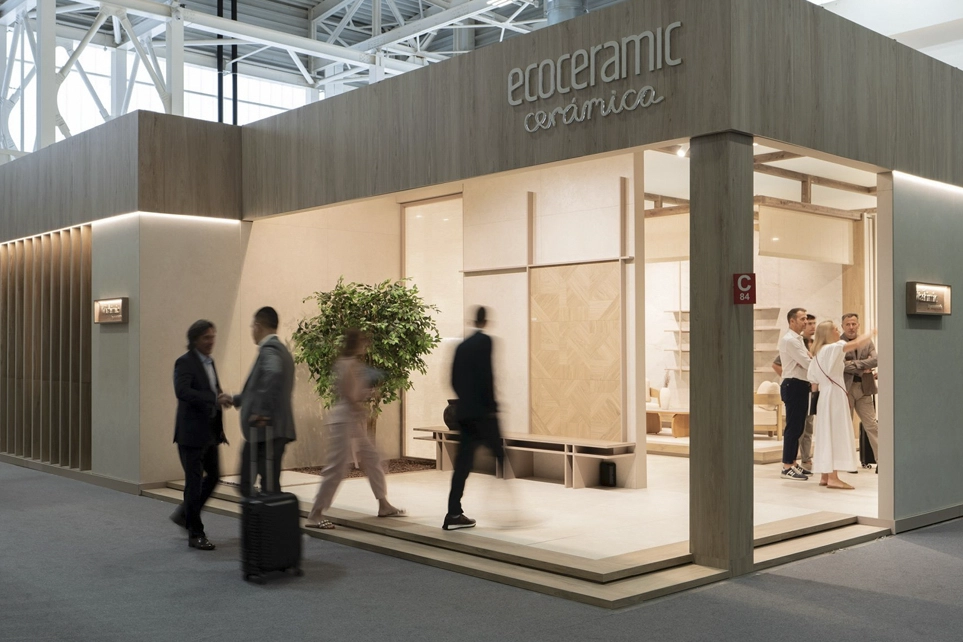
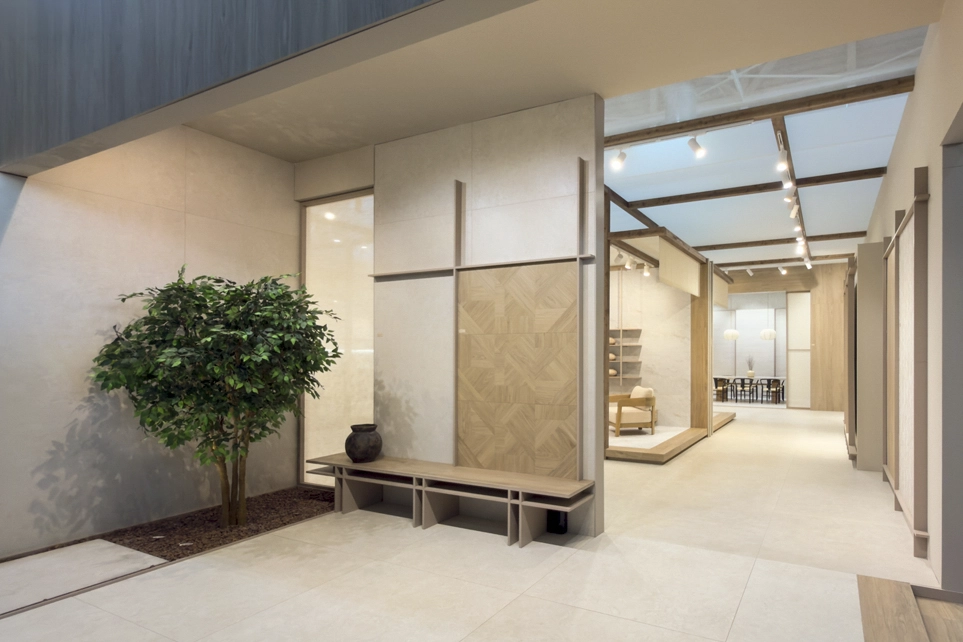
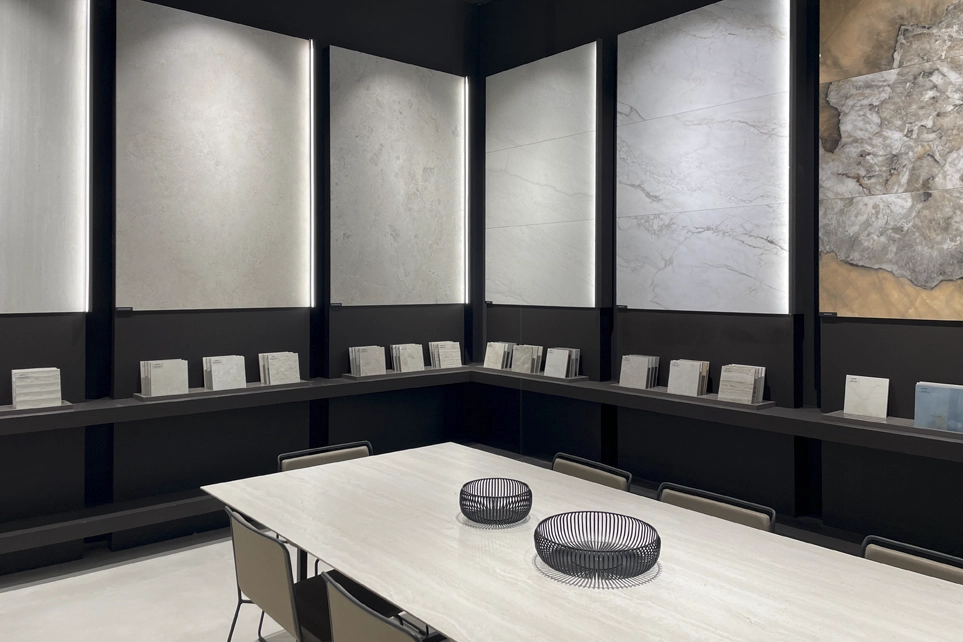
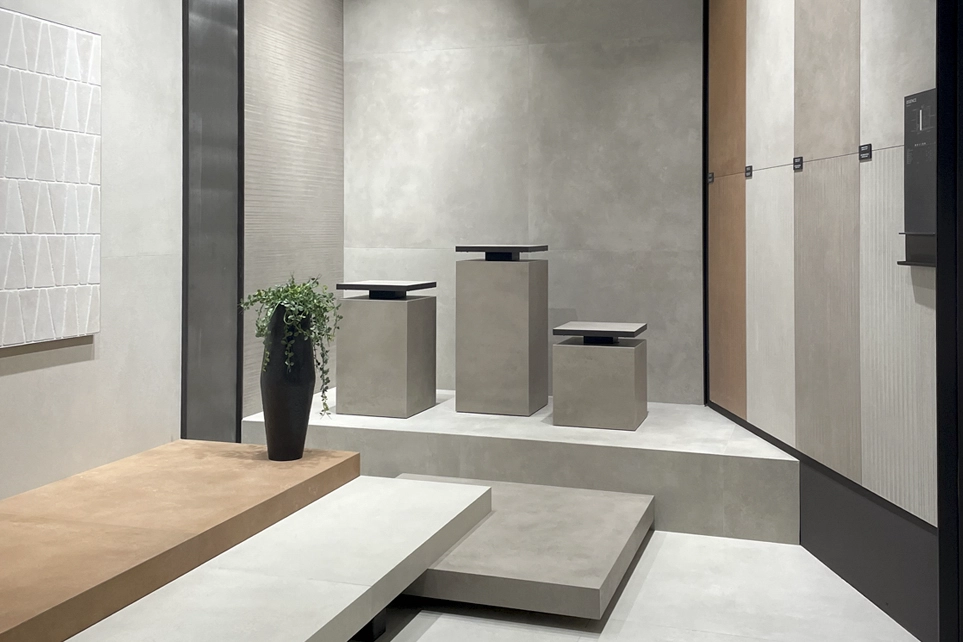
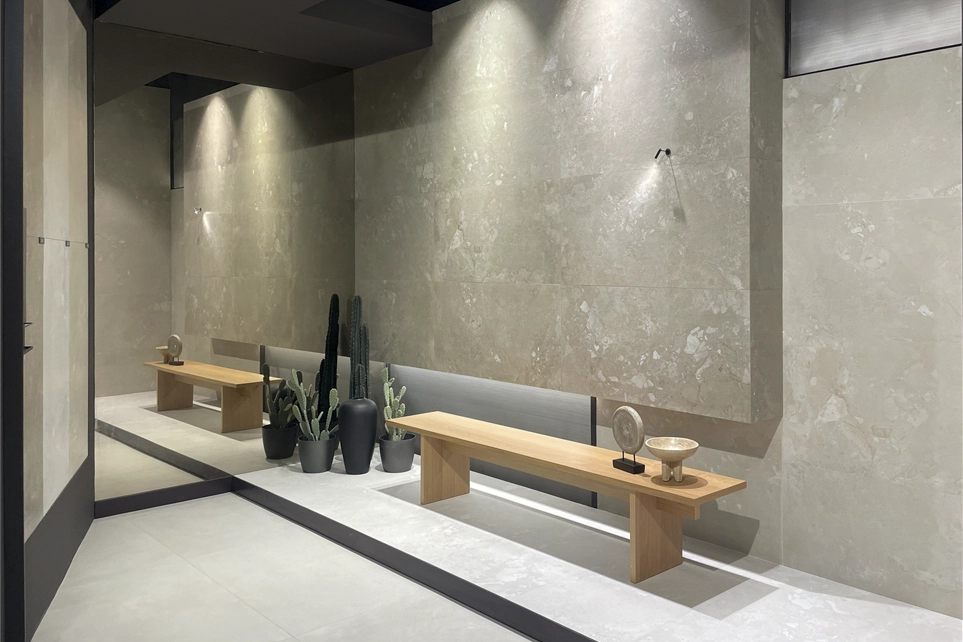
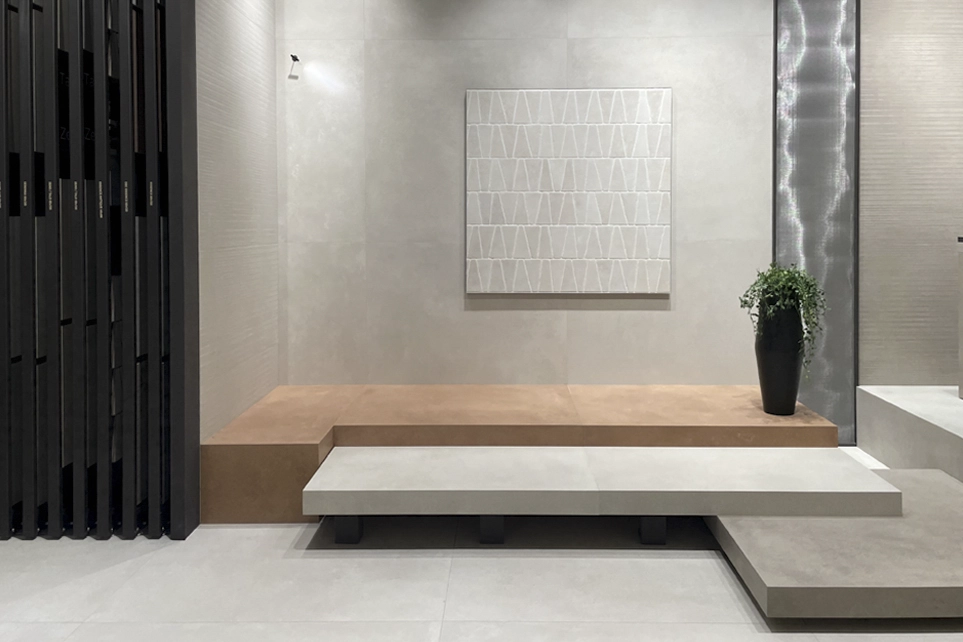
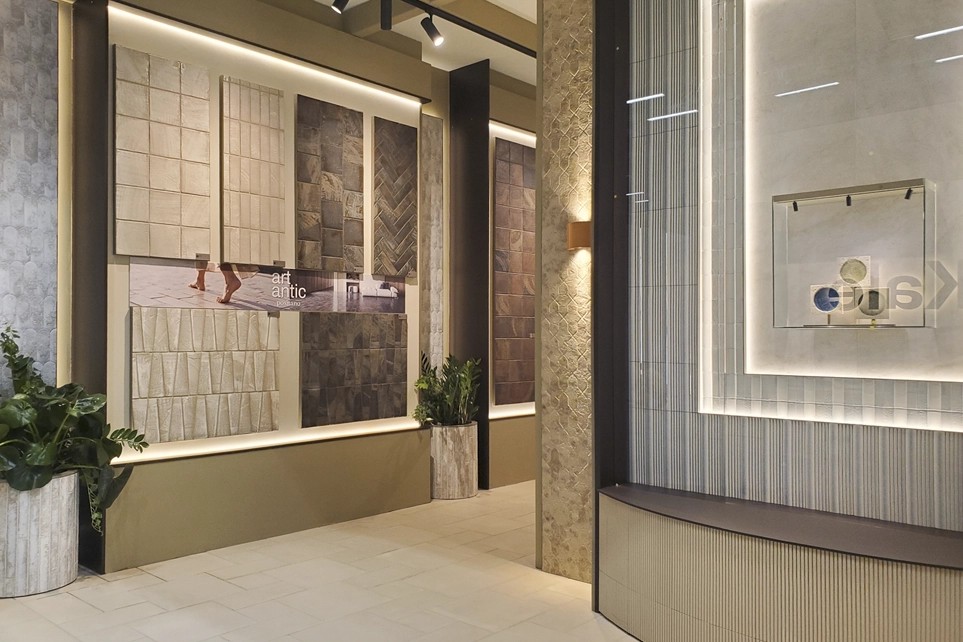
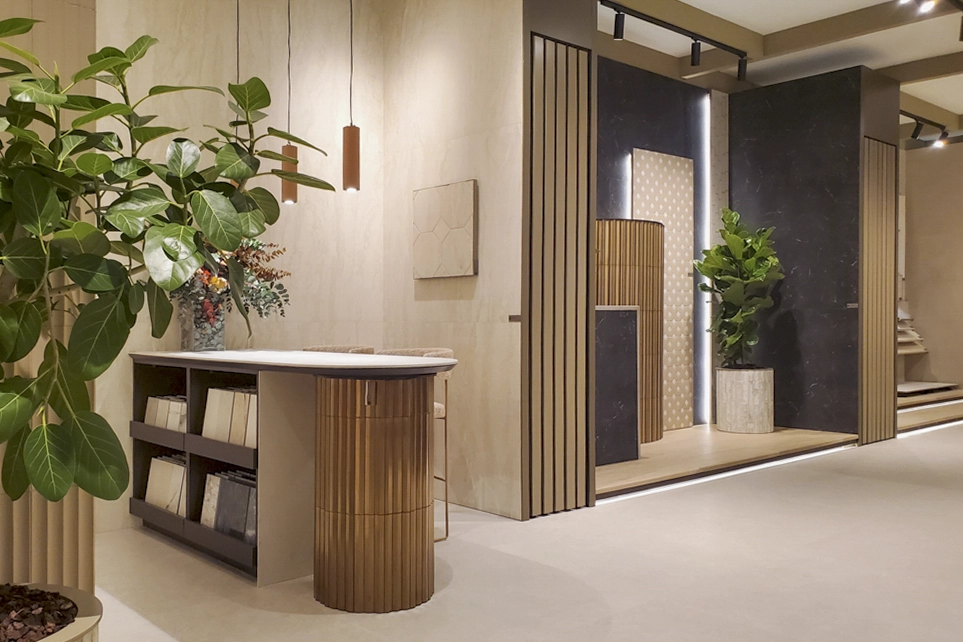
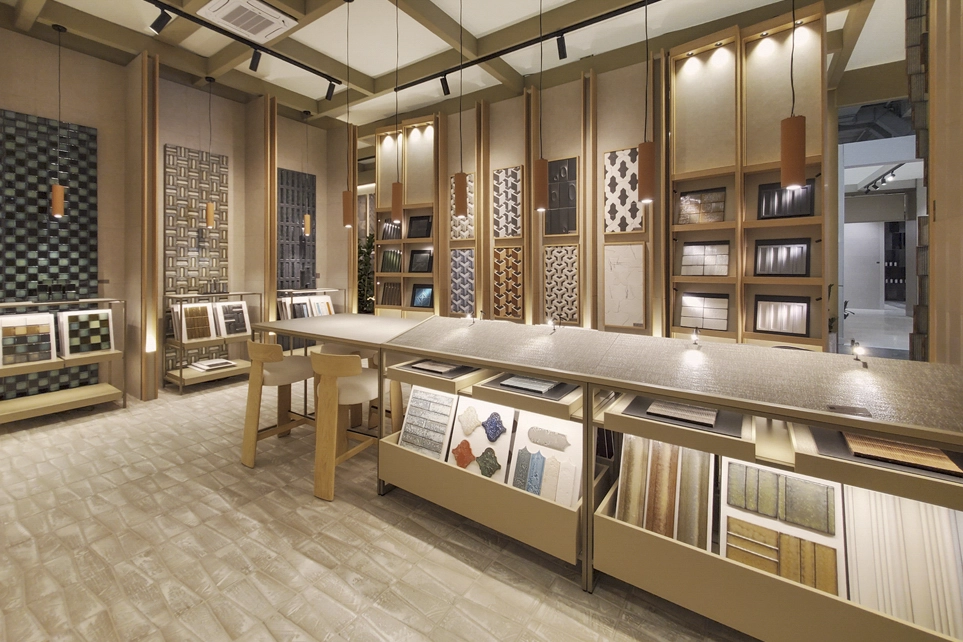
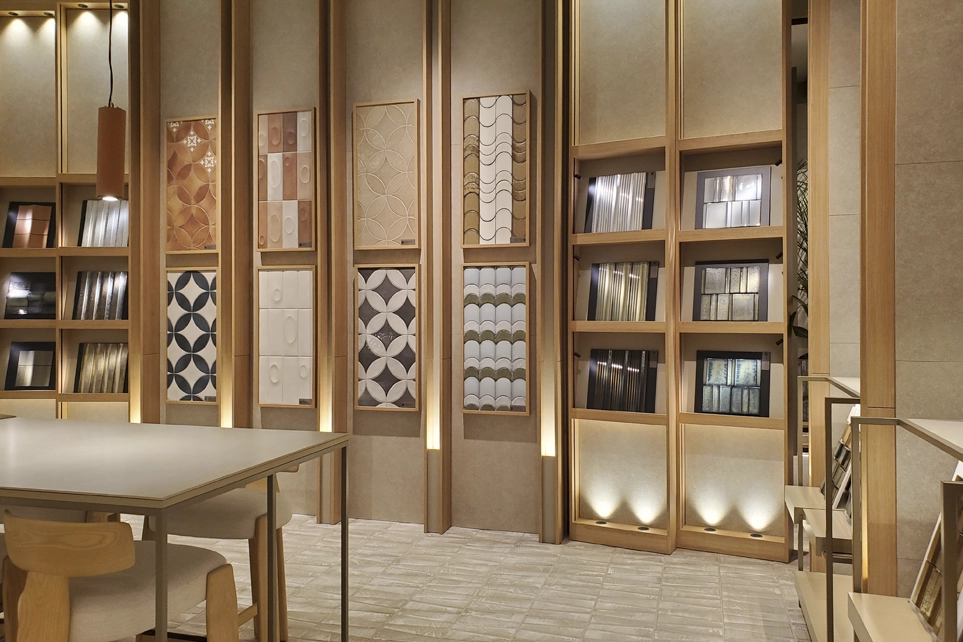
These are the main trends we have identified.
ONE. From the Mediterranean style to a more architectural Japandi
In recent years, the Mediterranean style has featured prominently at trade shows related to interior design, ceramics and building materials. Whilst it has not disappeared entirely, in 2026 we have observed how it is beginning to take a back seat to a more architectural and sophisticated Japandi aesthetic.
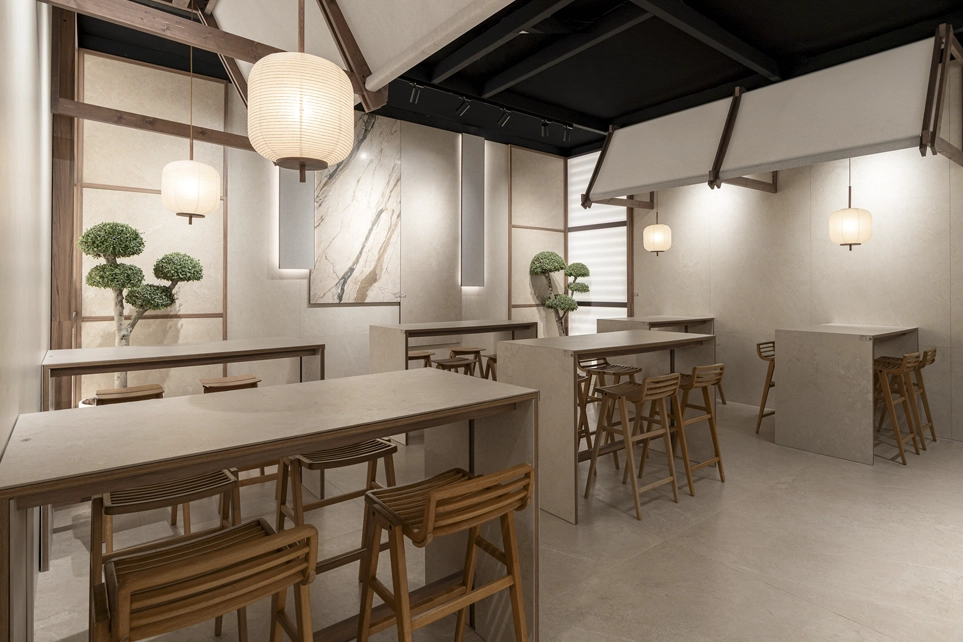
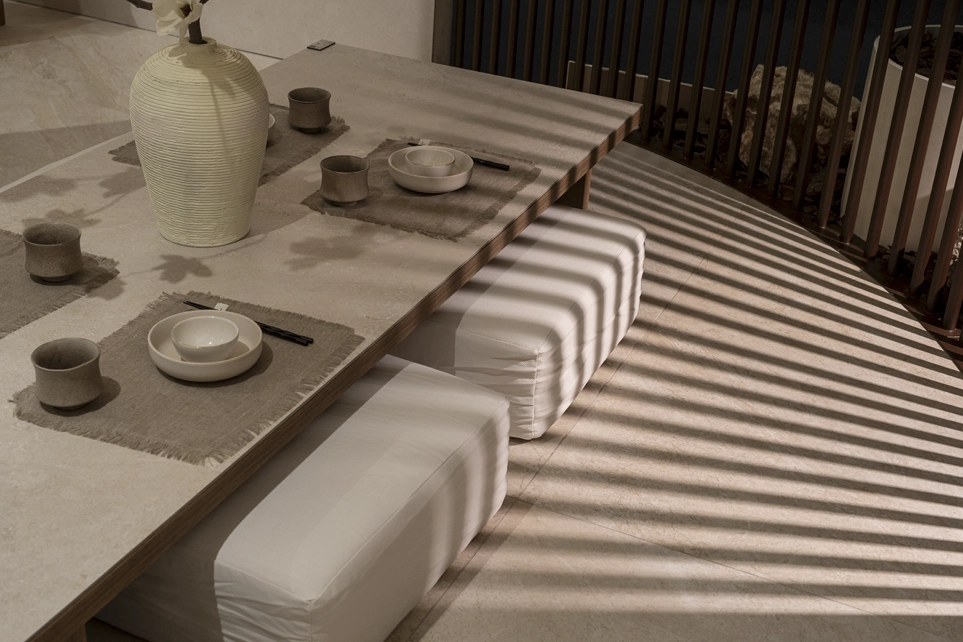
But what exactly is the Japandi style? It is an interior design movement that combines the simplicity and balance of Japanese aesthetics with the warmth of Scandinavian design. Its philosophy links Japanese wabi-sabi—which finds beauty in imperfection and the authenticity of materials—with Nordic hygge, associated with well-being and the creation of cosy atmospheres.
As Amanda Gunawan, architect and co-founder of OWIU Design, explains, both traditions ‘emphasise high-quality, durable and sustainable designs’.
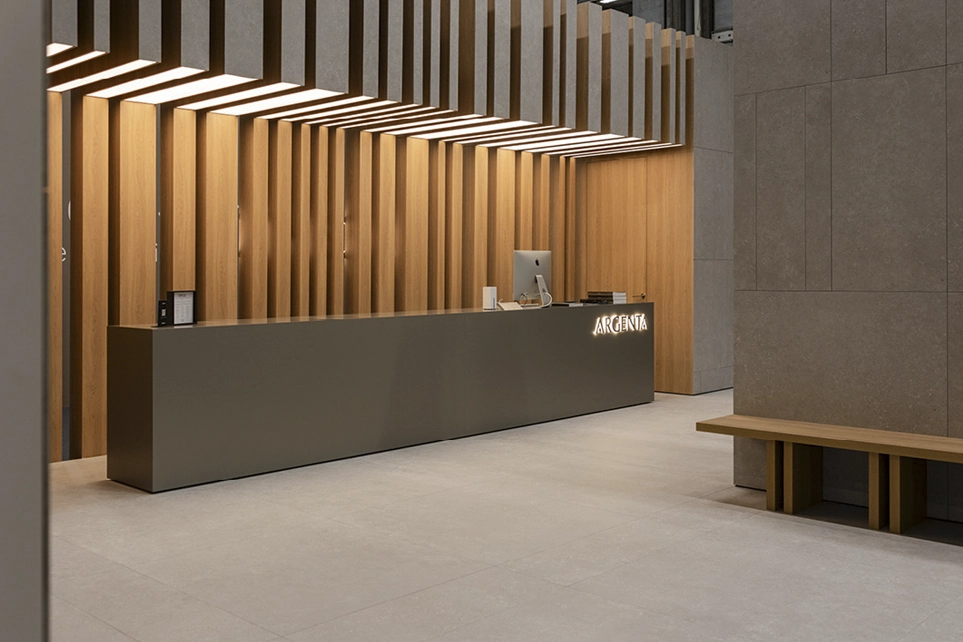
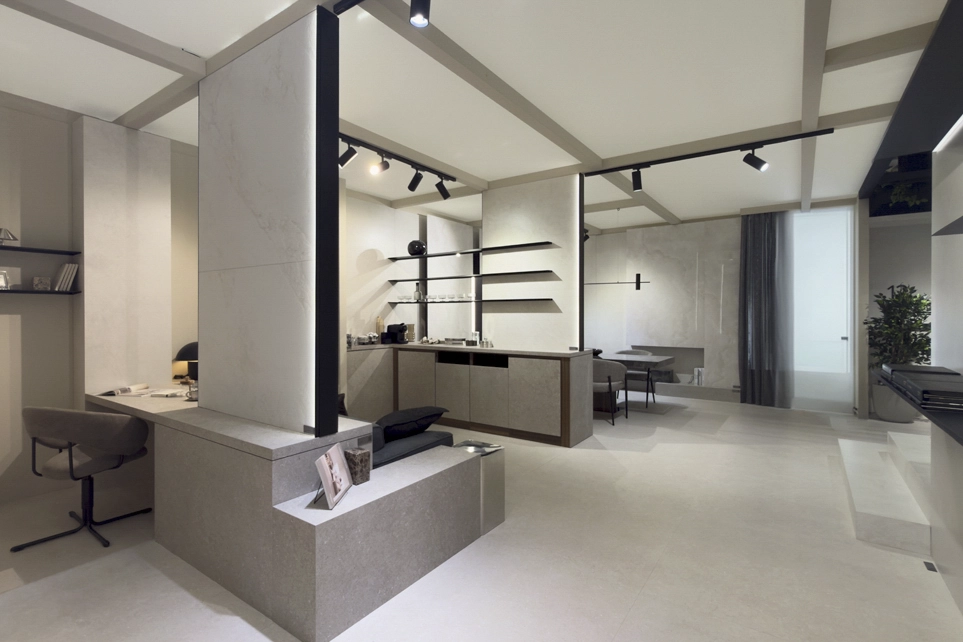
In ephemeral architecture, this influence translates into more refined compositions, clean volumes, natural materials and a much more restrained colour palette. In this regard, the prominence given to dark woods is particularly interesting.
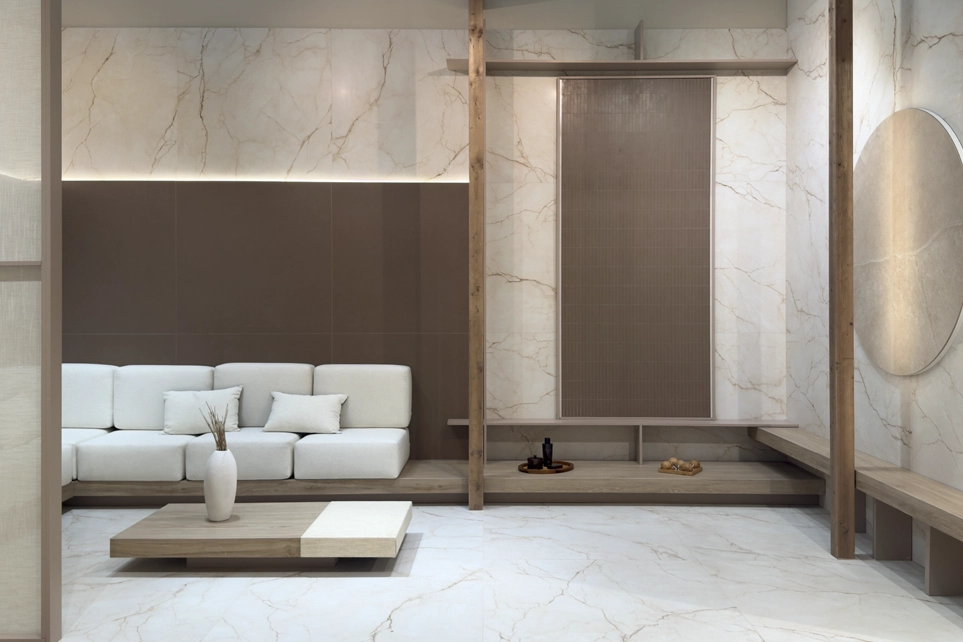
Furthermore, its use in exhibition stands can be seen in various architectural features:
- Wooden slatted façades that add rhythm and depth.
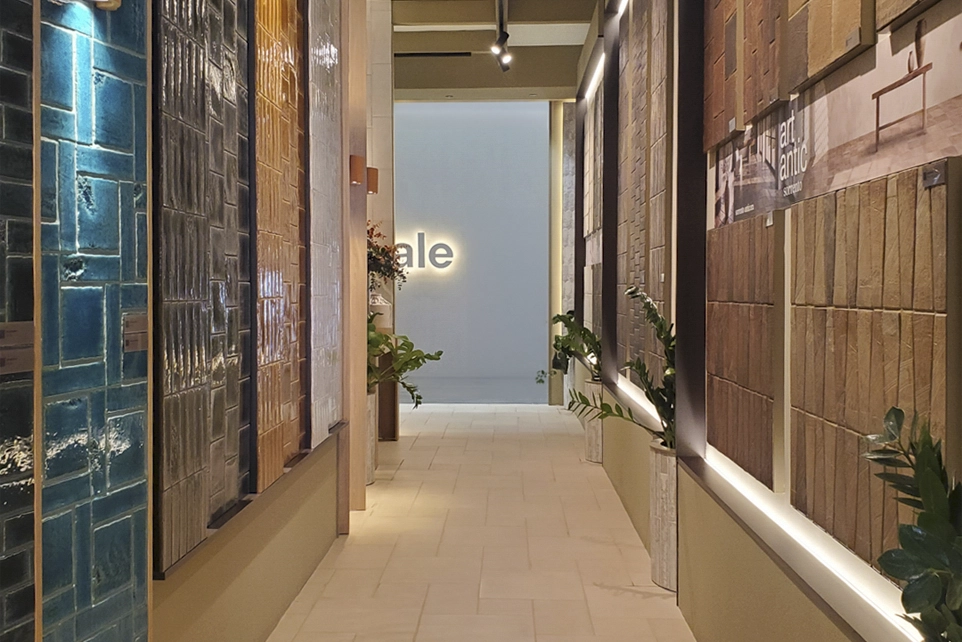
- Dark cladding that frames large ceramic surfaces.
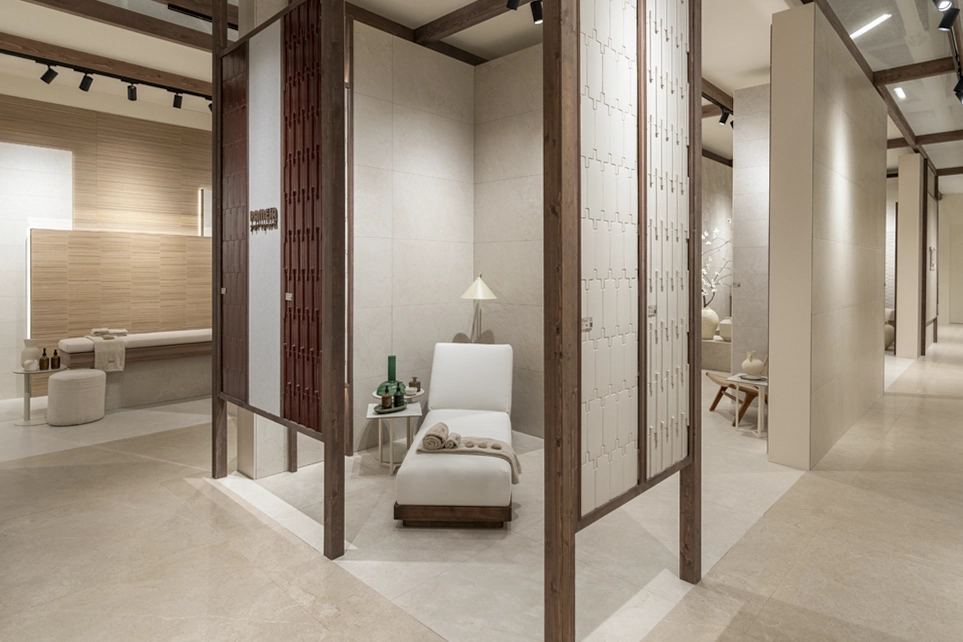
- Lightweight partitions that allow spaces to be separated without completely enclosing them.
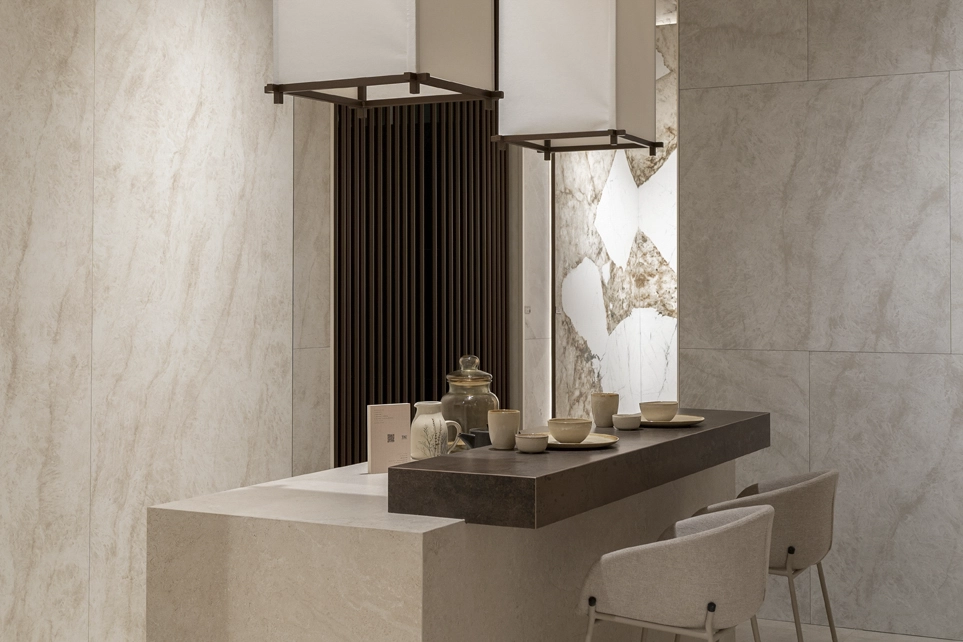
- Furniture with simple lines combined with natural fabrics and organic textures.
And the fact is that, although we are talking about temporary architecture, there is an increasing move away from making the space appear provisional.
TWO. The lighting shifts its focus from the stand to the product
What does technical lighting for ceramic products involve?
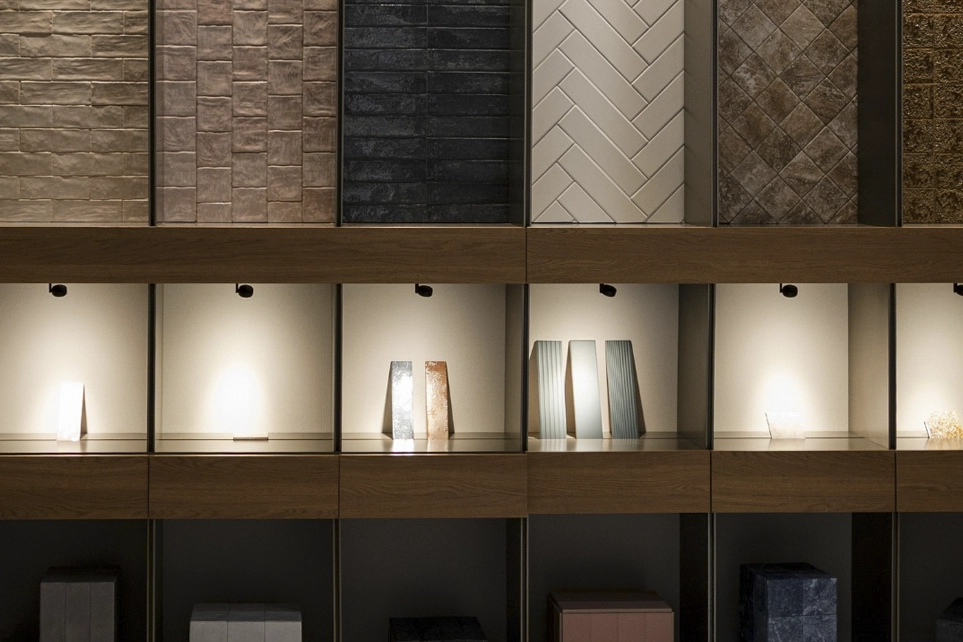
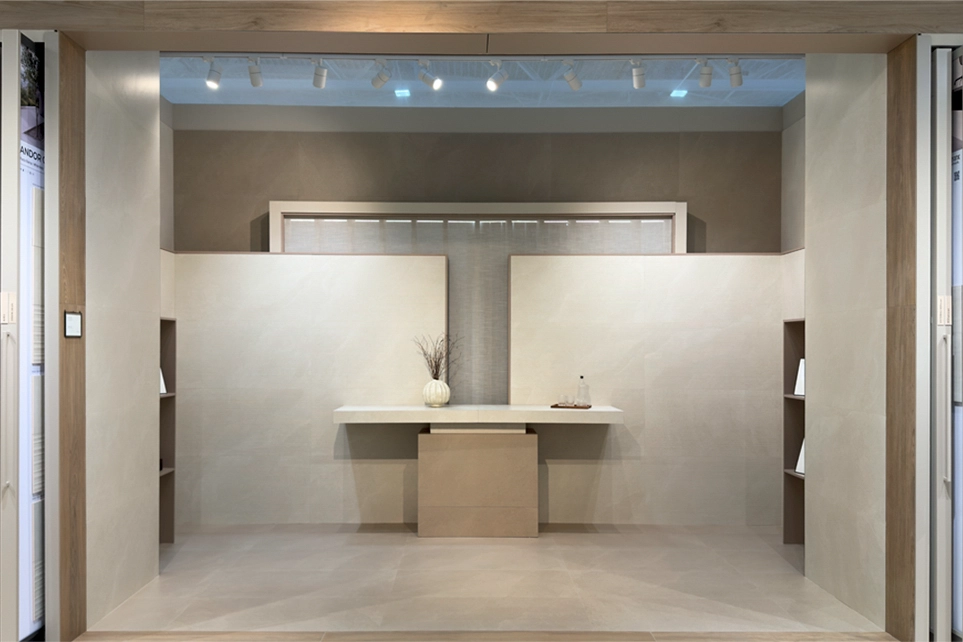
Technical product lighting involves the use of specific light sources, the position, intensity, colour temperature and angle of incidence of which are carefully considered to highlight the characteristics of the materials on display.
Ceramic manufacturers have achieved a high level of sophistication in terms of colours, reliefs, glazes, finishes and textures. Consequently, the lighting at the stand must be capable of showcasing these qualities.
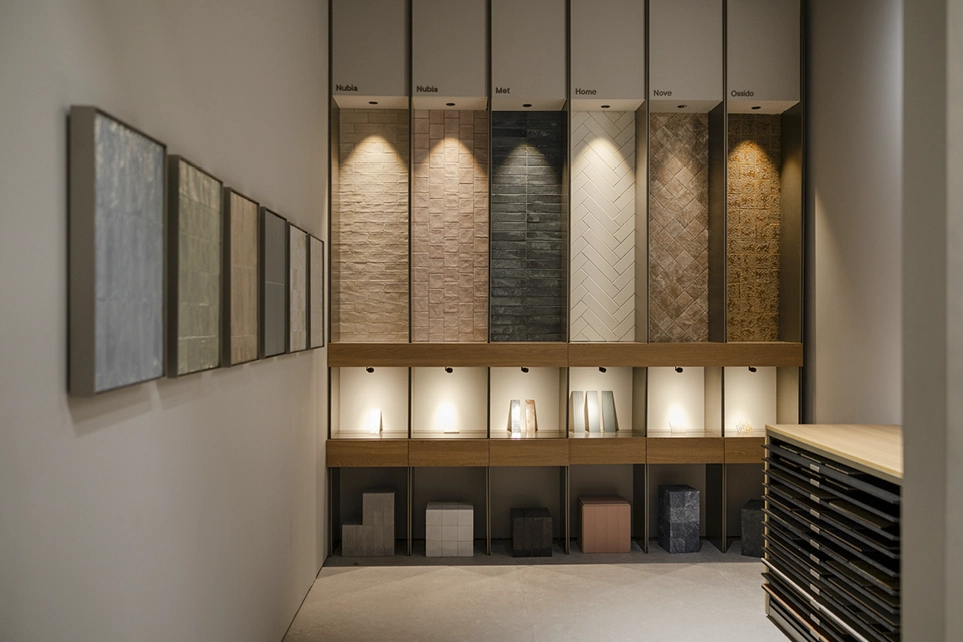
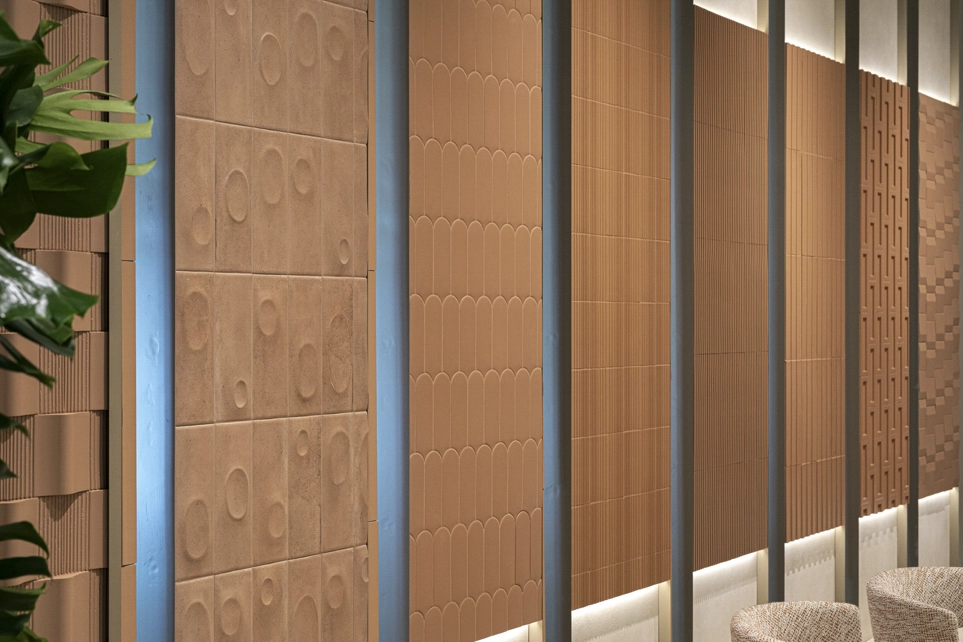
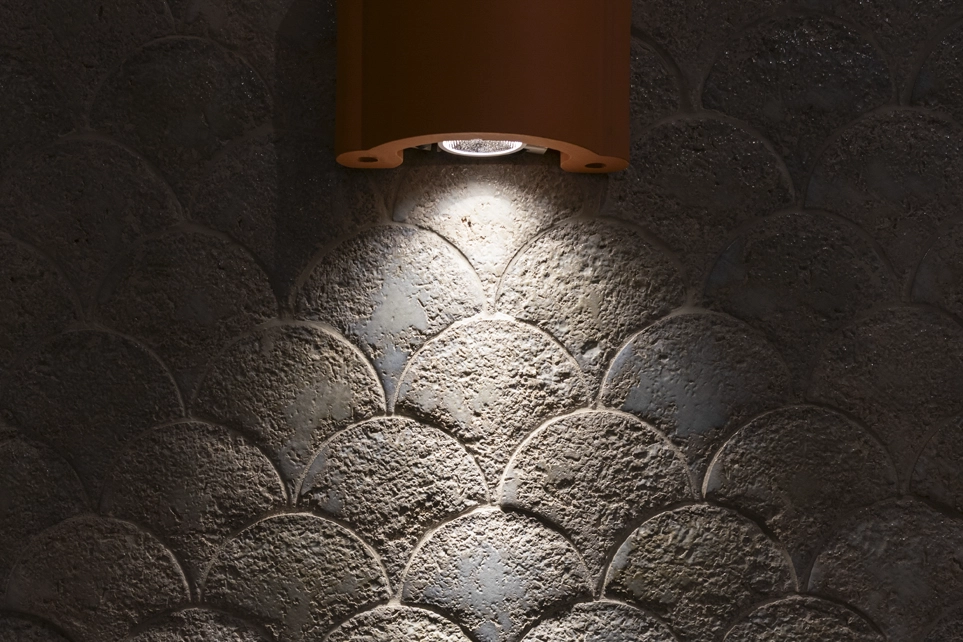
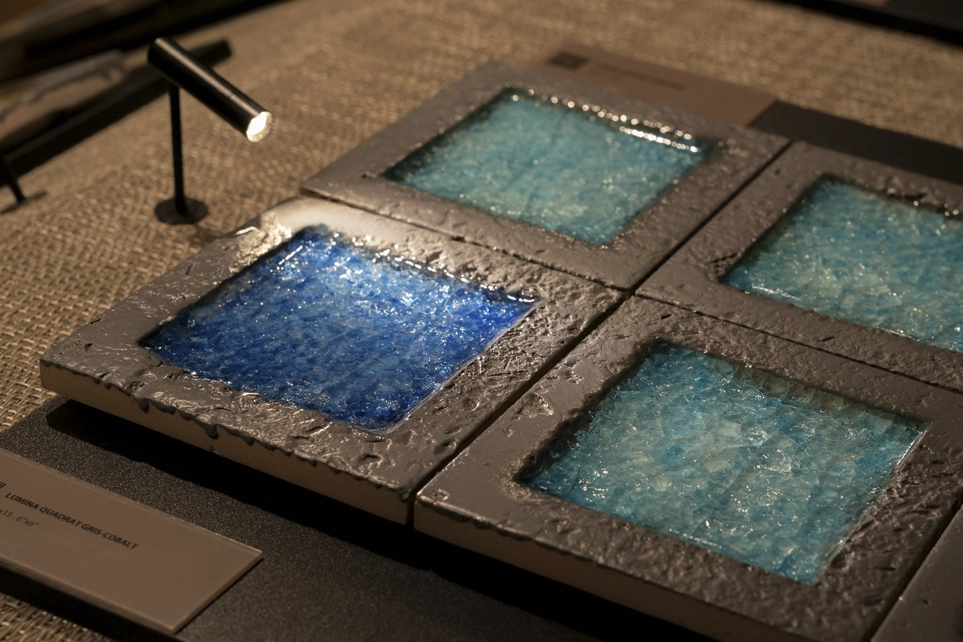
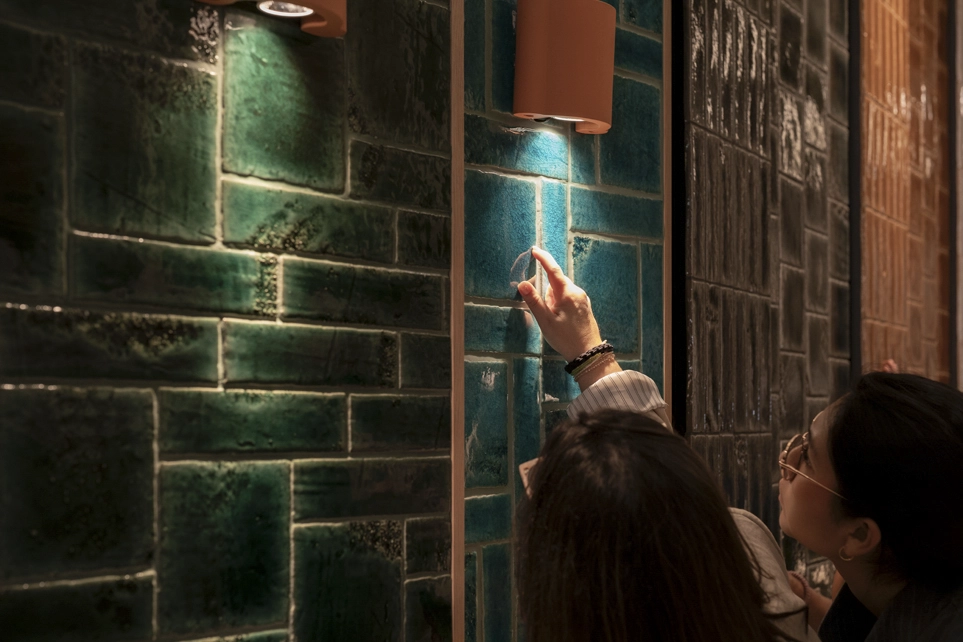
In new projects, spotlights specifically directed at ceramic surfaces are appearing more frequently; these are capable of highlighting reliefs through light and shadow, revealing chromatic nuances and showcasing the textural effects of each collection.
Consequently, for a trade show booth fabricators, this development means addressing the relationship between lighting, materials and visitor flow from the very earliest stages of the project. It is important to bear in mind that the same ceramic surface can appear completely different depending on how the light falls on it.
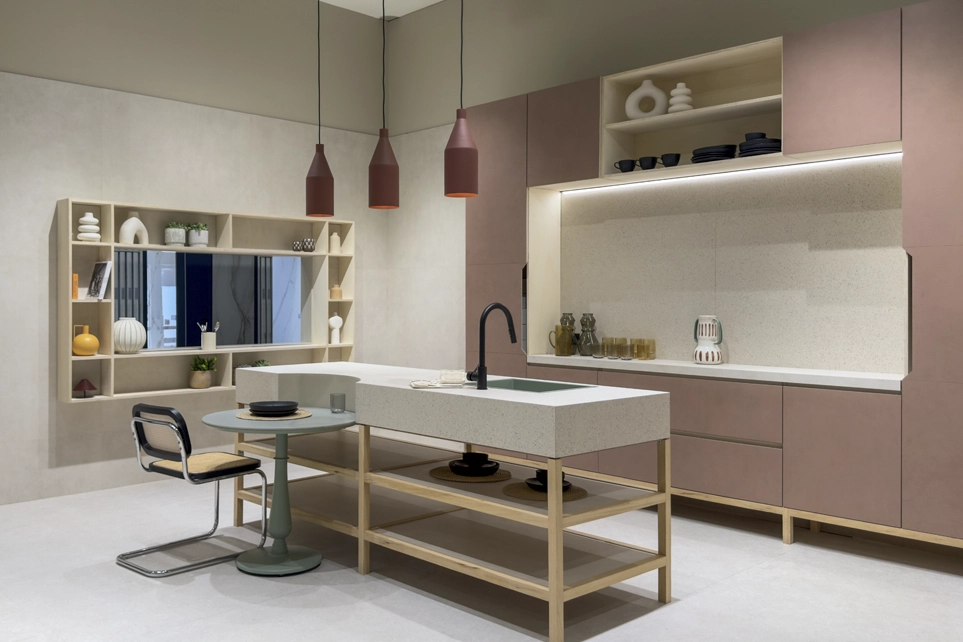
THREE. From the traditional moodboard to the ‘lived moodboard’
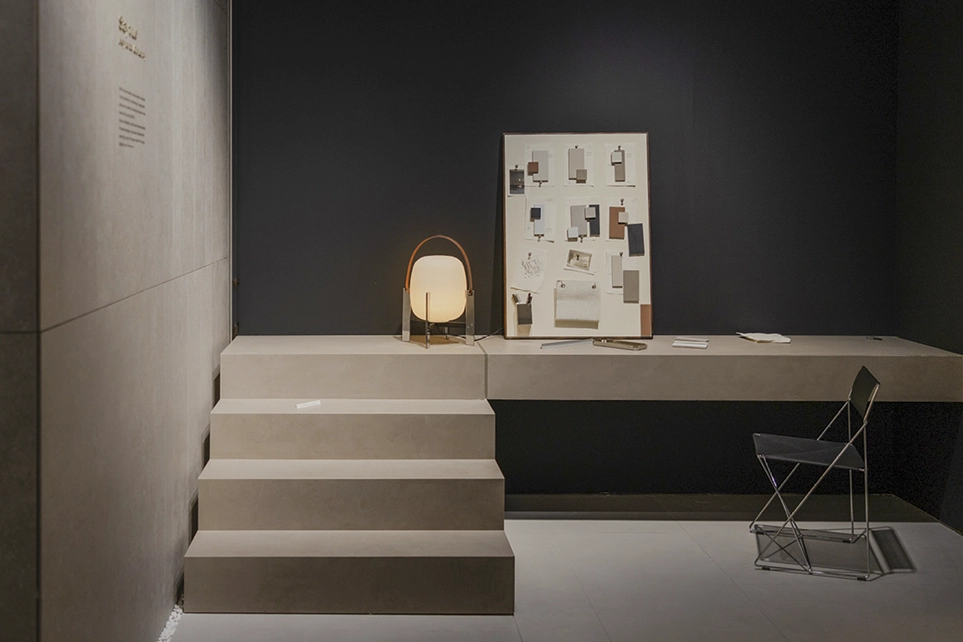
At INSCA, we had already anticipated that moodboards would become a trend in the trade show booths design and showrooms. What we have noticed is an evolution of this concept. Now, they are no longer merely a tool for visual inspiration, but have become experiences that invite visitors to experience and feel the spaces.
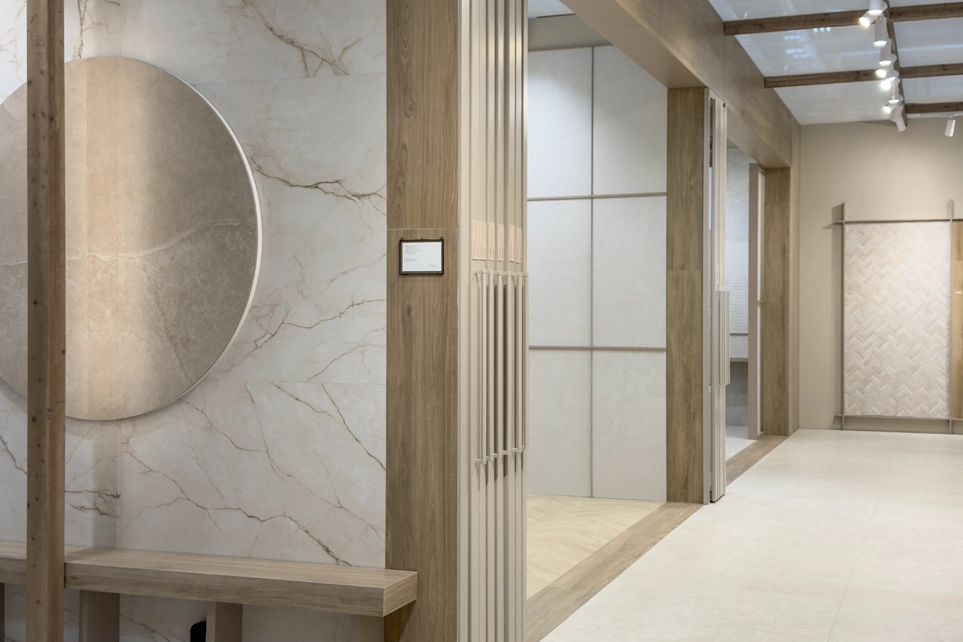
Traditionally, a moodboard brought together samples of materials, colours and textures to show how they complement one another. Today, these compositions have taken on a new dimension. Materials are presented in contexts that allow us to imagine different ways of inhabiting and experiencing a space.
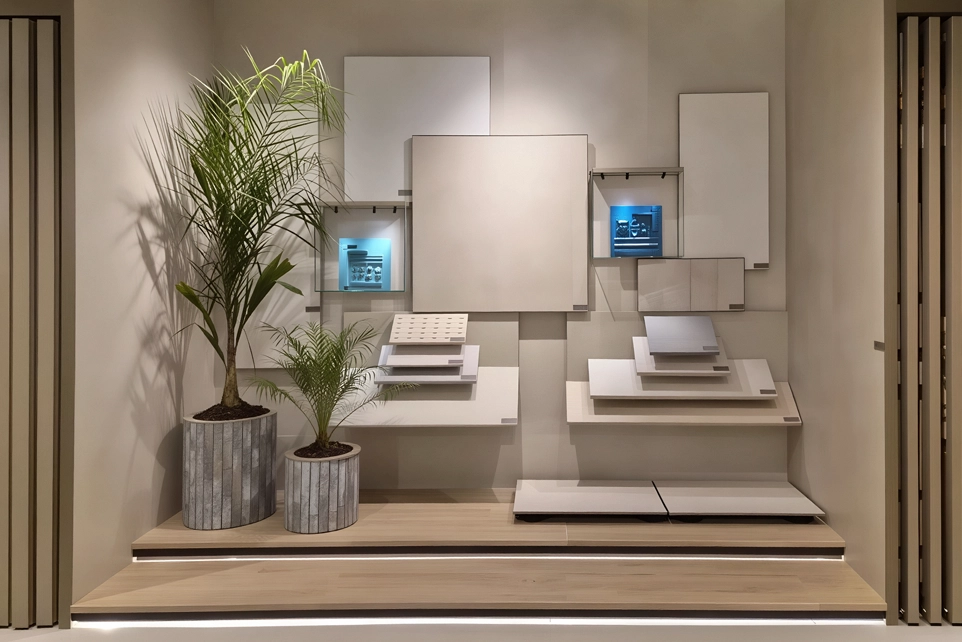
Ceramics, wood, textiles, metal, furniture and natural elements come together to create environments that convey feelings and lifestyles. Visitors need to understand how the materials interact and what atmospheres they can create together.
In this way, the stand moves beyond simply showing what a brand sells to conveying the spaces, feelings and experiences that can be created with its products.
FOUR. Terracotta and warm tones are gaining ground
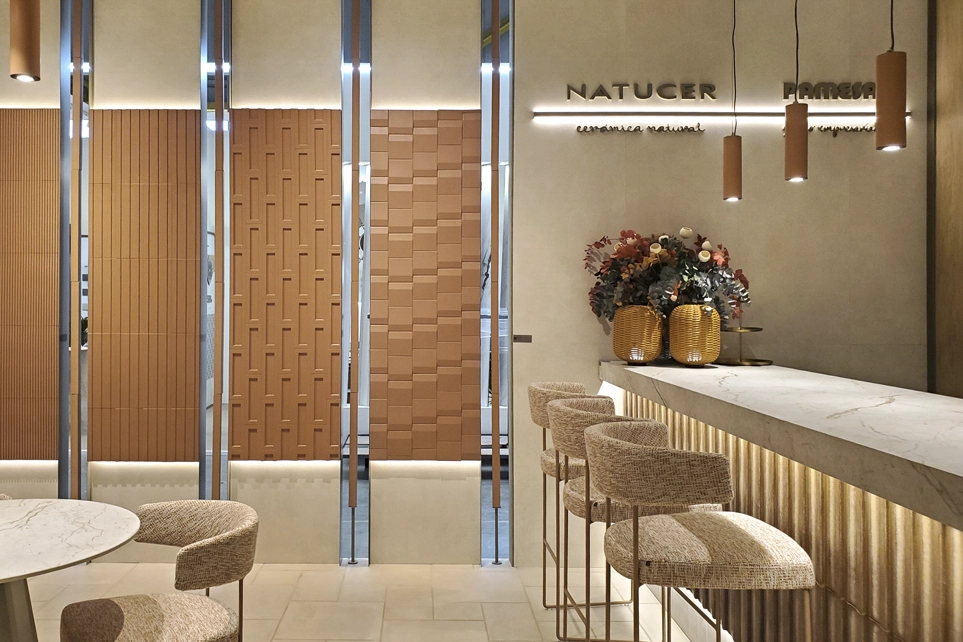
The quest for cosy spaces is also reflected in colour. At the Italian trade fair, we saw a significant presence of terracotta, earth tones, browns, sandy shades and various other warm hues.
They do not necessarily take centre stage on the stand. In many projects, they act as accents within palettes dominated by creams, beige, wood and mineral tones.
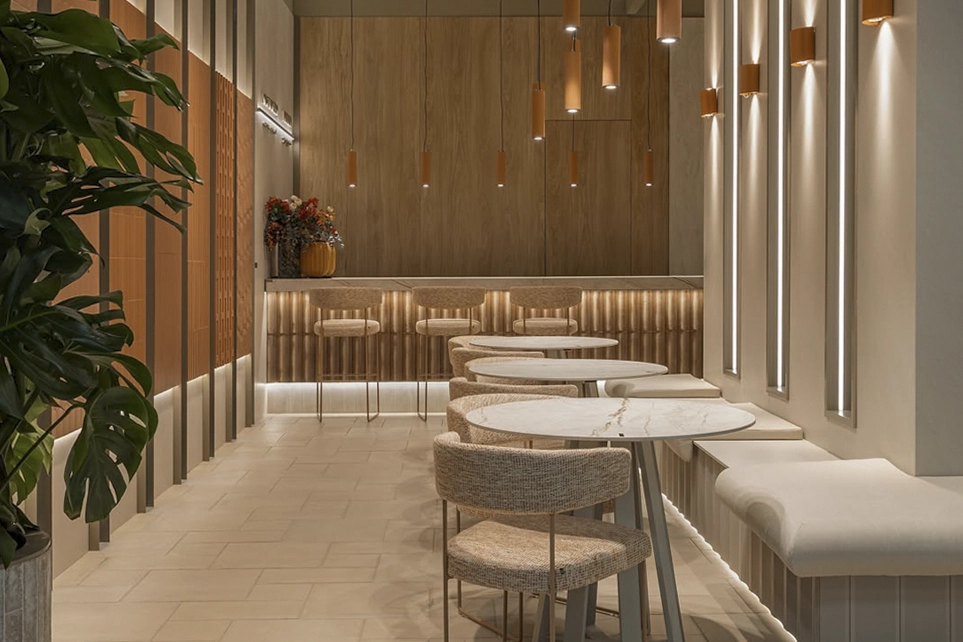
This combination works particularly well because it introduces colour without losing a sense of serenity. In other words, set against very neutral or white spaces, the earthy palette adds depth, character and an immediate connection to the world of natural materials.
All the signs suggest that this will be one of the key colour palettes in temporary architecture projects in 2027.
FIVE. Mixing materials to create less predictable spaces
One of the most interesting features of the new exhibition stands is the disappearance of rigid boundaries between materials. Wood, ceramics, metal, textiles, glass and plant elements are beginning to be combined with much greater freedom.
However, it is important to bear in mind that this new approach does not simply involve using many materials without a clear purpose.
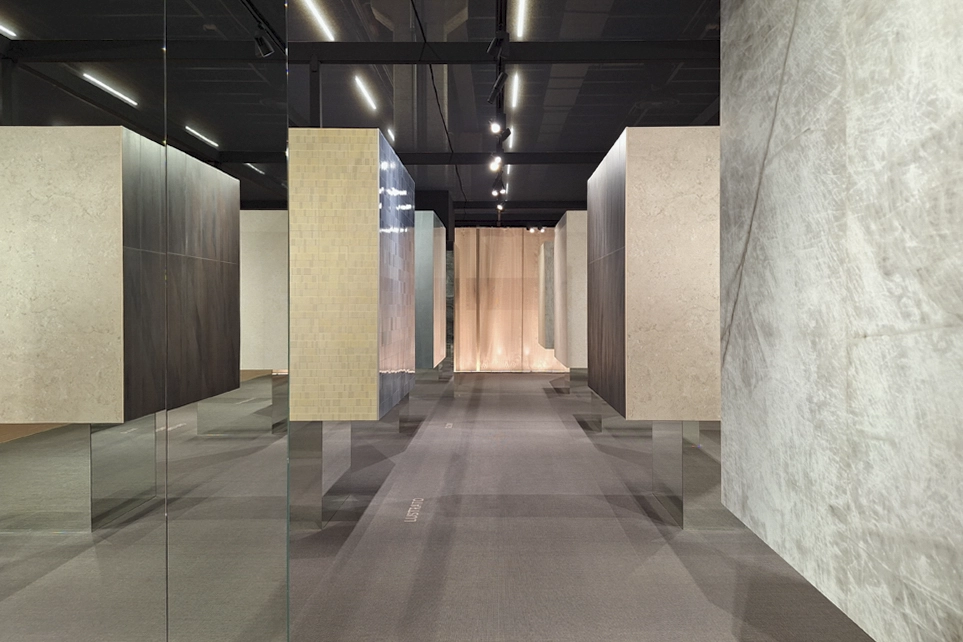
In some of the stands we have designed, for example, we have worked with wire mesh as both an architectural and decorative element, both on the façade of the Esmalglass stand and in frames integrated into various areas of the Geotiles stand.
Ultimately, these are elements that add depth, transparency, movement and, above all, a distinctive character. In a trade fair setting where hundreds of brands are simultaneously vying for attention, introducing a material that catches the eye becomes one of the most memorable features of the space.
SIX. Nature is integrated into the architecture
The role of vegetation in temporary architectural projects is changing. Until a few years ago, it was common to use plants as decorative elements added once the project had been designed.
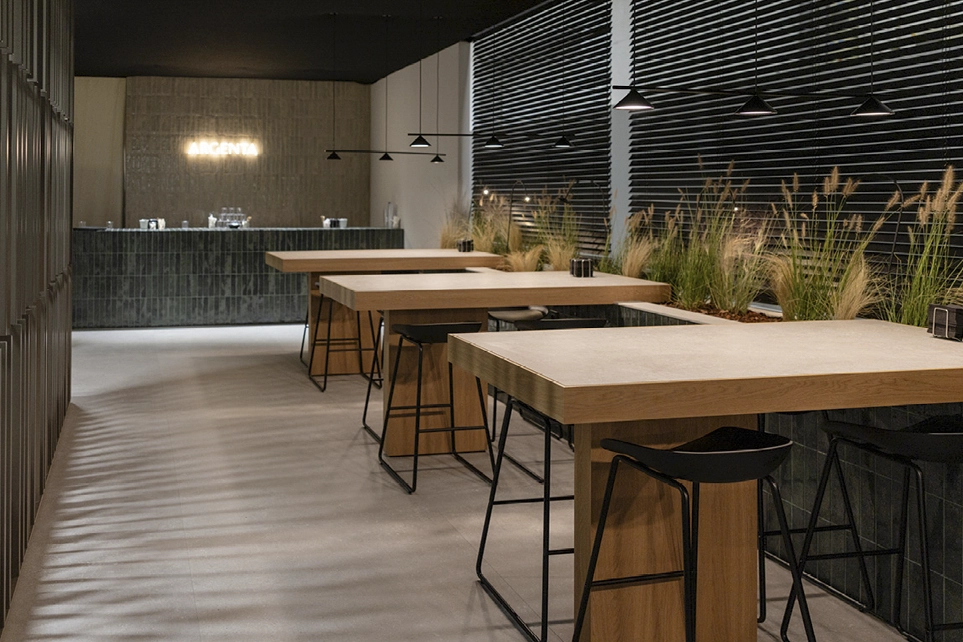
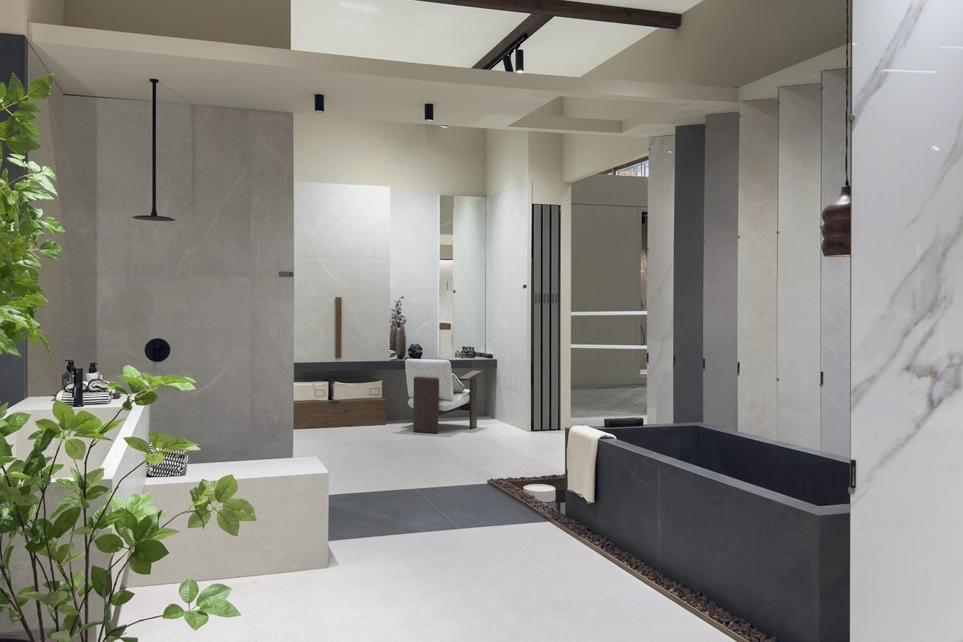
However, the current trend is far more interesting because nature is beginning to form part of the stand’s architecture itself. Vegetation, water, fountains, pools and mineral elements are incorporated right from the initial conception of the space.
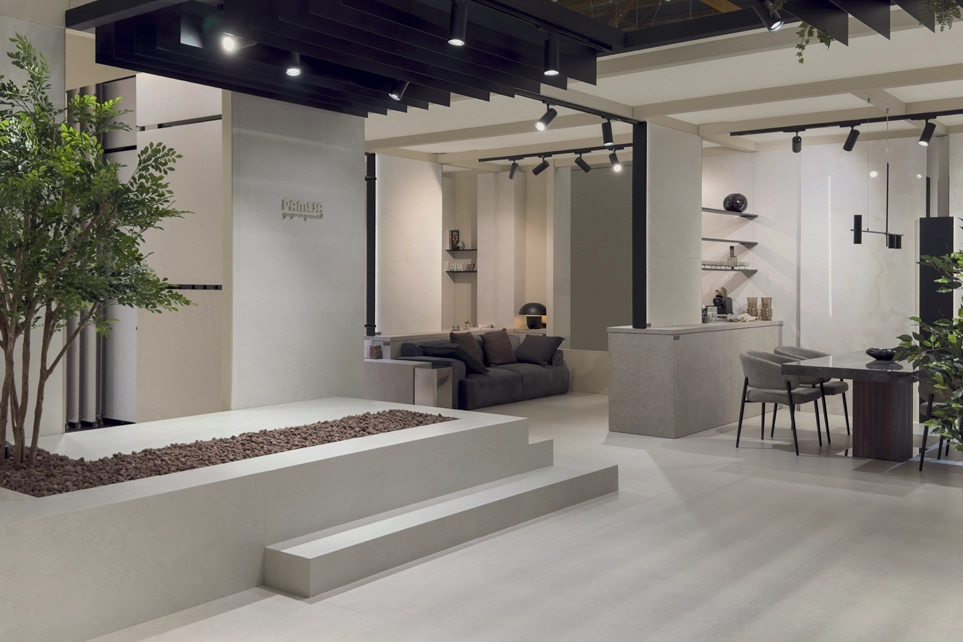
This development ties in with the principles of biophilic design. As Oliver Heath, interior designer and biophilic design ambassador at Interface, explains: “When applied correctly, it has been shown to have a positive impact on our wellbeing.”
From this perspective, this integration introduces a sensory dimension that is particularly effective at a trade fair:
- It alters the lighting.
- It creates reflections.
- It introduces movement.
- It enhances acoustic perception.
- It creates rest areas within highly stimulating environments.
Ephemeral architecture thus begins to incorporate principles akin to biophilic design, seeking a more direct connection between materials, architecture and nature.
SEVEN. Stands that resemble interior design projects
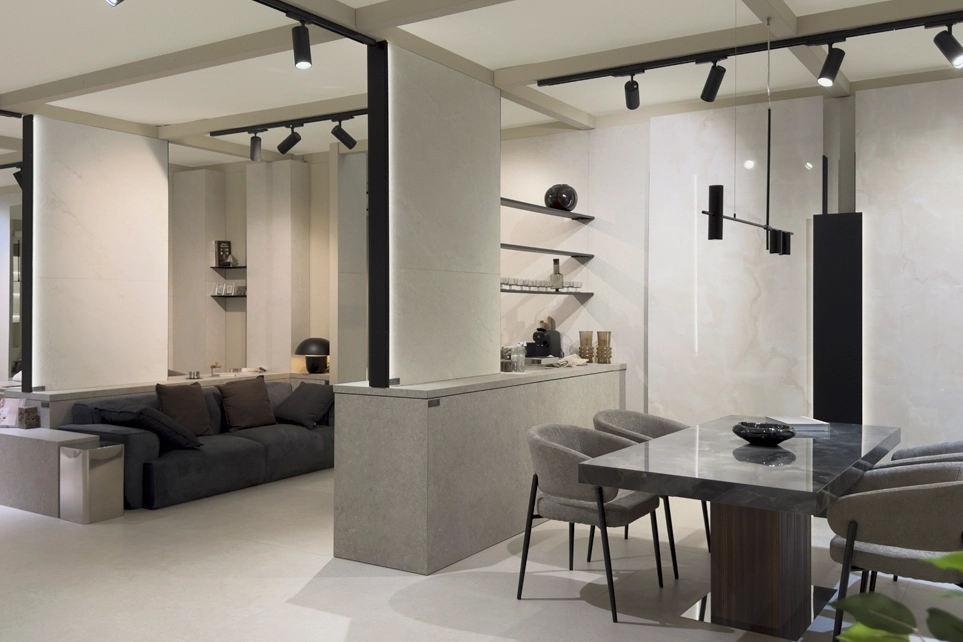
Another of the most obvious trends is the increasing level of sophistication in the stand environments.
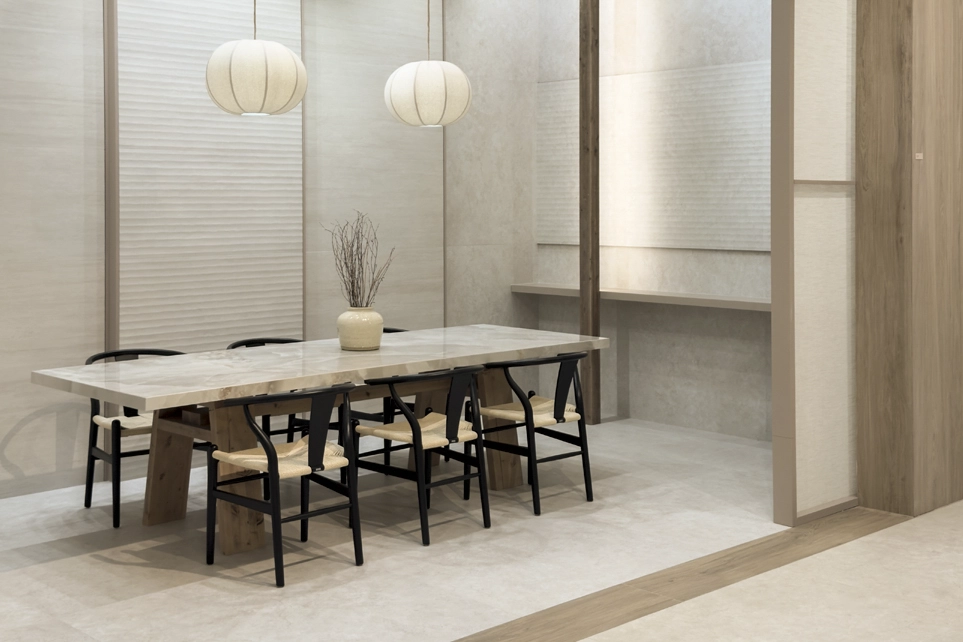
The best corporate stands are moving away from the traditional trade fair aesthetic and increasingly resembling high-end residential, hospitality or retail projects. Sofas, ambient lighting, decorative pieces, textiles, tables, plants and a carefully curated selection of materials create spaces where visitors want to linger.
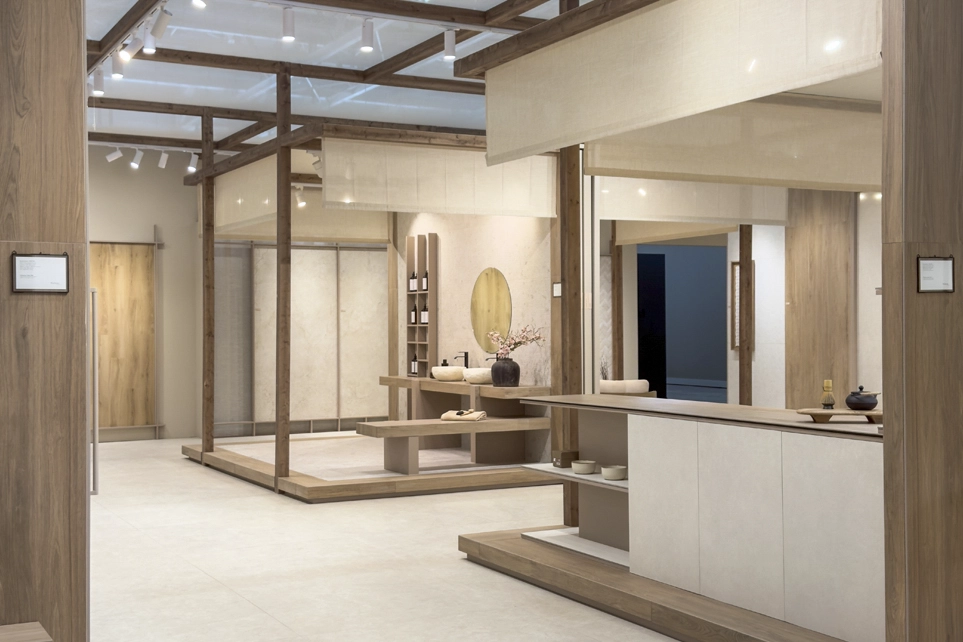
The aim is no longer simply to make an impact from the aisle. It is also to ensure that, once inside, visitors slow down. The architecture thus becomes a direct extension of the brand’s positioning.
EIGHT. The product is no longer merely part of the stand; it begins to shape it
Traditionally, the stand was designed first, and only afterwards was a decision made on how to display the various collections within it. Now, however, that relationship is beginning to be reversed. In other words, the product becomes the starting point for the architectural system itself.
Argenta’s stand at Cersaie 2026, designed by the firm’s architect, Pablo Alonso Nomdedéu, is a clear example. They have clad the entire stand using Vecta, the new product they unveiled at the Italian trade fair.
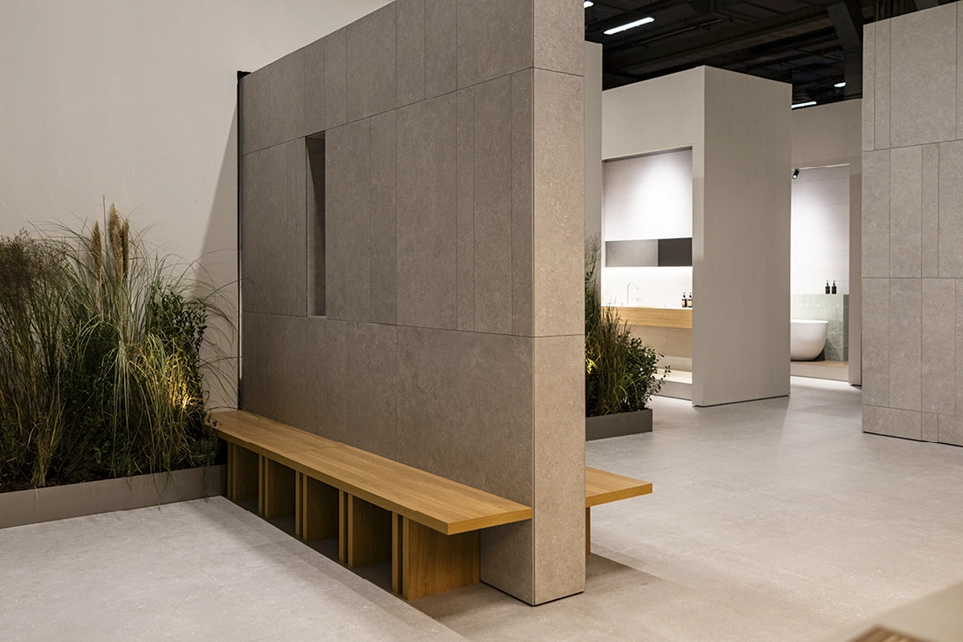
The modularity that defines the product is directly translated into the design of the space. Flooring, façades, fragmented volumes and open pathways all follow the same logic.
This approach to design is particularly powerful because it eliminates the separation between exhibition and architecture. Product, space and brand become part of a single concept. And we believe this will be one of the major trends in the evolution of bespoke stands over the coming years.
What will the best trade fair stands of 2027 have in common?
A trade fair stand should no longer be seen simply as a temporary structure designed to display products and logos. Temporary architecture projects must now:
- Enable visitors to recognise the brand.
- Help visitors understand the product.
- Organise visitor flows.
- Create spaces for conversation.
- Deliver an experience consistent with the brand image.
Consequently, stands for international trade fairs increasingly require a higher level of specialisation in architecture, interior design, engineering, materials, lighting and execution.
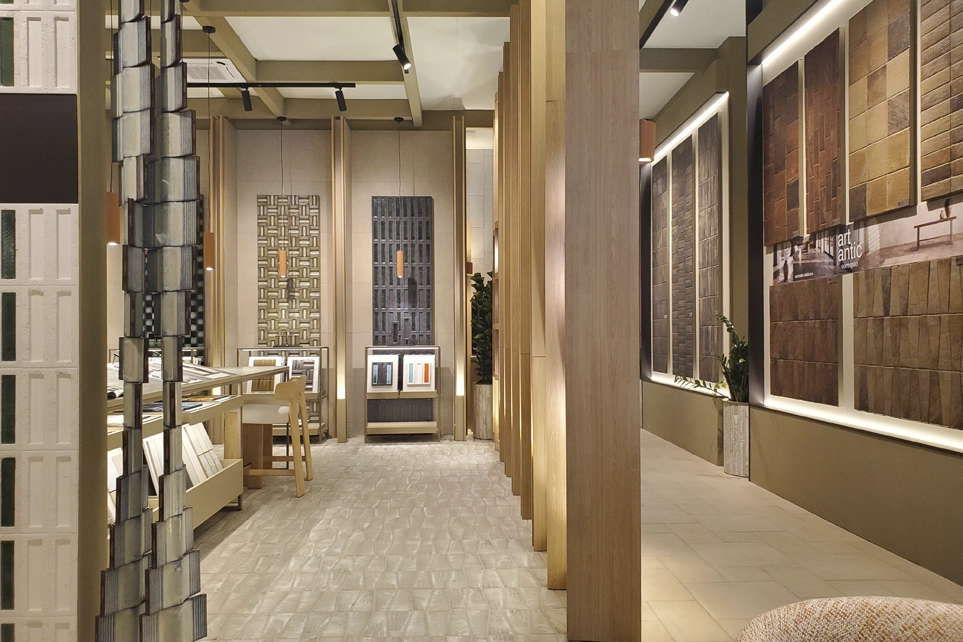
Creativity is essential, but so too is ensuring that a complex idea can be manufactured, transported and assembled within the demanding timeframes of an international trade fair.
At INSCA, as a company manufacturing temporary architectural projects, we approach stand design from this perspective: creating bespoke stands that bring together brand identity, product, architecture and experience.
Because at a trade show, it’s all about ensuring that space conveys who you are. Contact us today and we’ll start planning your next exhibition project.
irene delgado

Offices and factory
Polígono industrial Vía Europa II,
calle Benlloch, 12550
Almazora / Castellón (Spain)
Phone: +34 964 043 004
Whatsapp: +34 658 504 151
Email: info@insca.com
Logistics hub
Camino Alcora, 34 12550
Almazora / Castellón (Spain)
Phone: +34 964 043 004
Whatsapp: +34 658 504 151
Email: info@insca.com


